


This gesture is over a hundred years old. In the workshops of Place Vendome, at Cartier, Van Cleef & Arpels, or Mikimoto, expert hands string and knot beads one by one on silk thread. The profession is called "bead stringer" — a recognized art profession, taught in only one school in France: the Haute Ecole de Joaillerie (BJOP) in Paris.
Rachid Jammoua, craftsman at Mikimoto Place Vendome, still practices the Japanese technique without a needle. Maison Barbier-Berard, Best Craftsman of France, has preserved this rare craftsmanship for decades. Bénédicte Pelissie du Rausas, trainer at BJOP, dedicated an entire book to it — "Secrets of Beads" (Edisud).
Why knots between the beads? Four good reasons. Safety first: if the thread breaks, you only lose one bead instead of all. Protection next: the beads no longer rub against each other, no micro-scratches or dulling. Aesthetics too: each bead breathes, the necklace has rhythm. And especially flexibility — the necklace moves with the body, it has a drape that steel cable or nylon will never achieve. This is what professionals call "the drape."
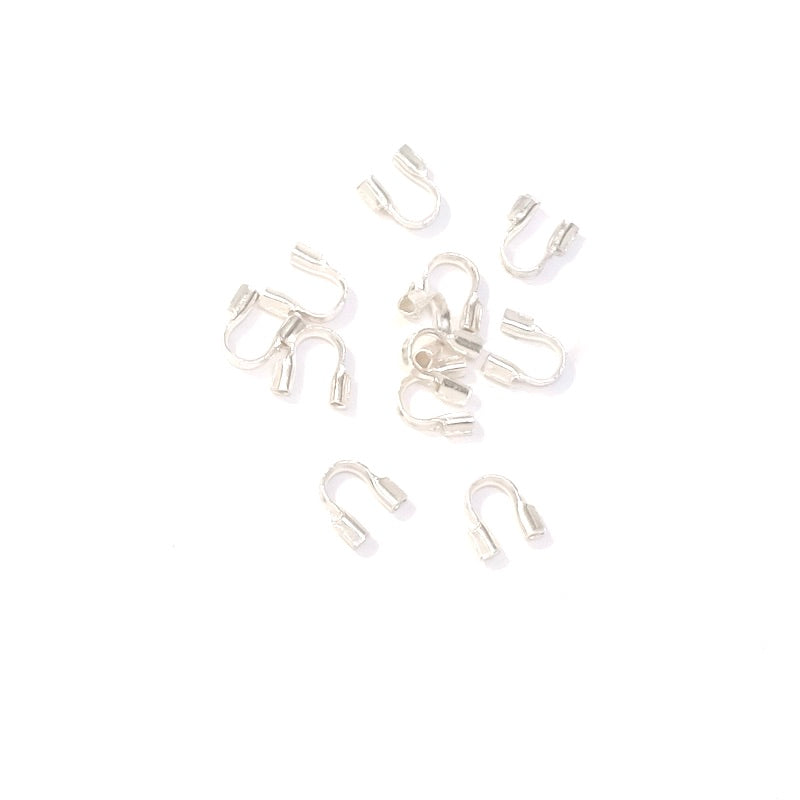
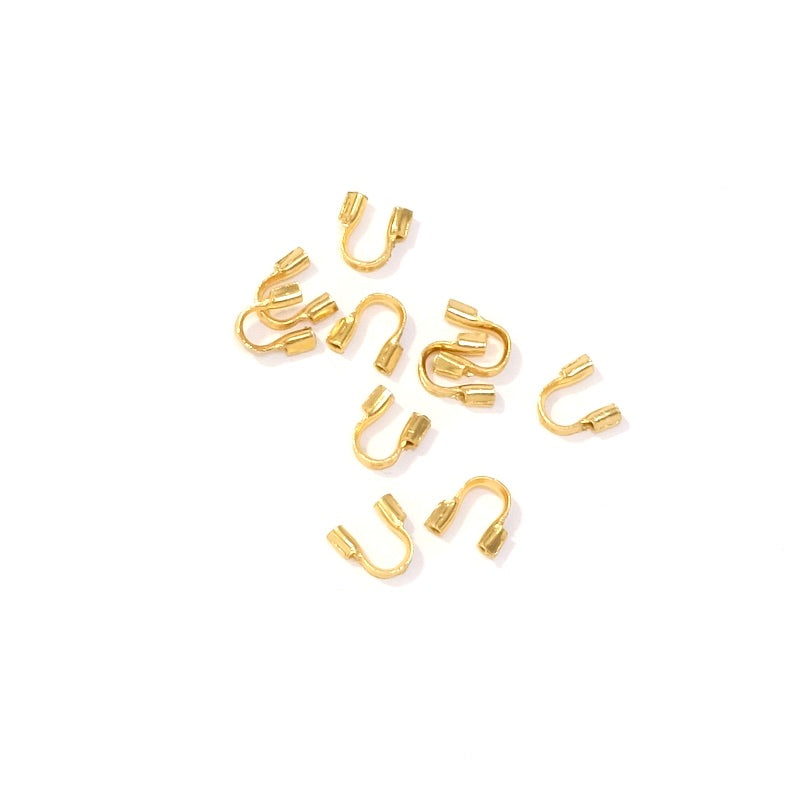
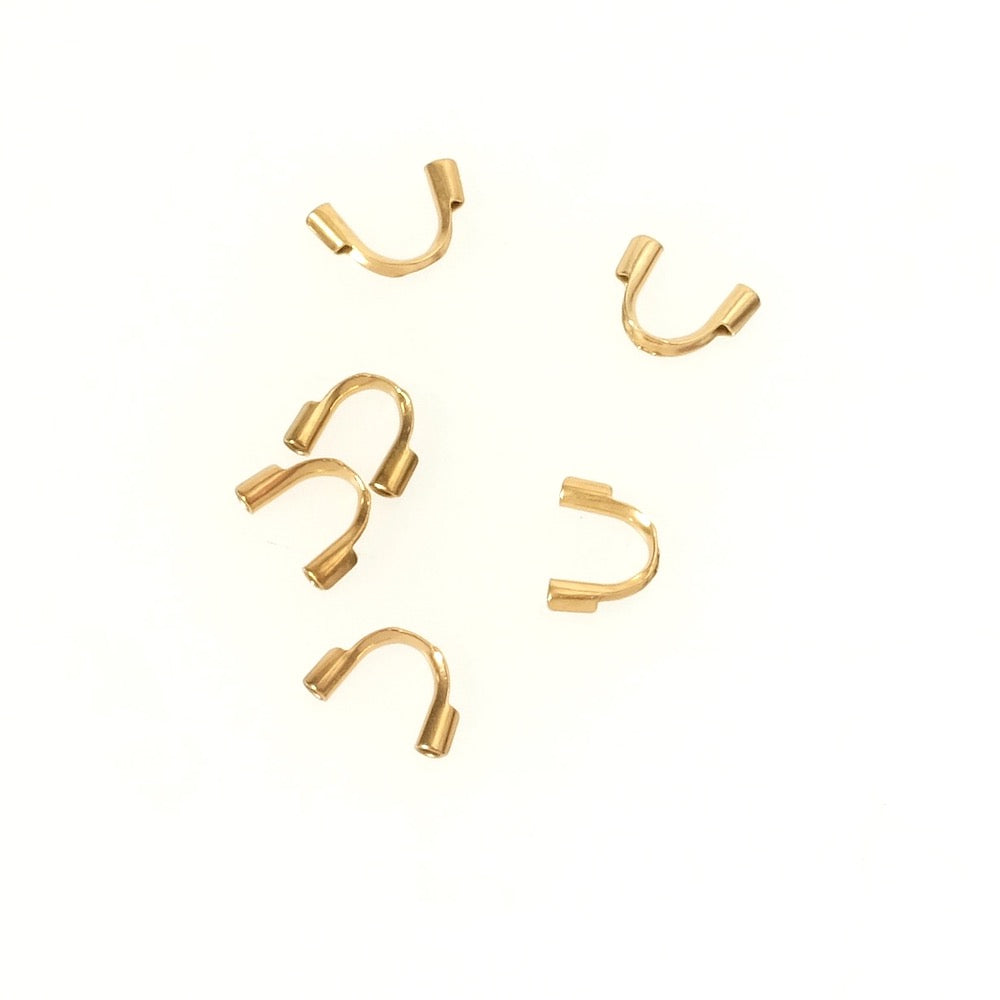
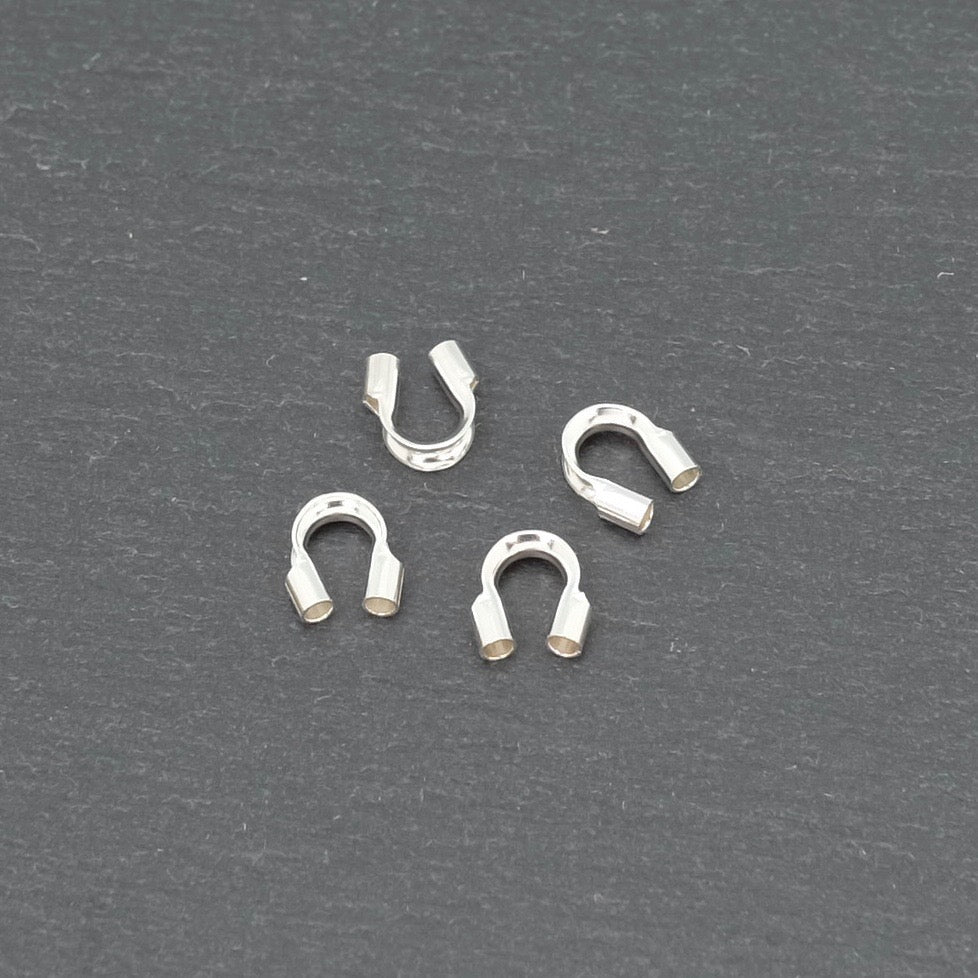
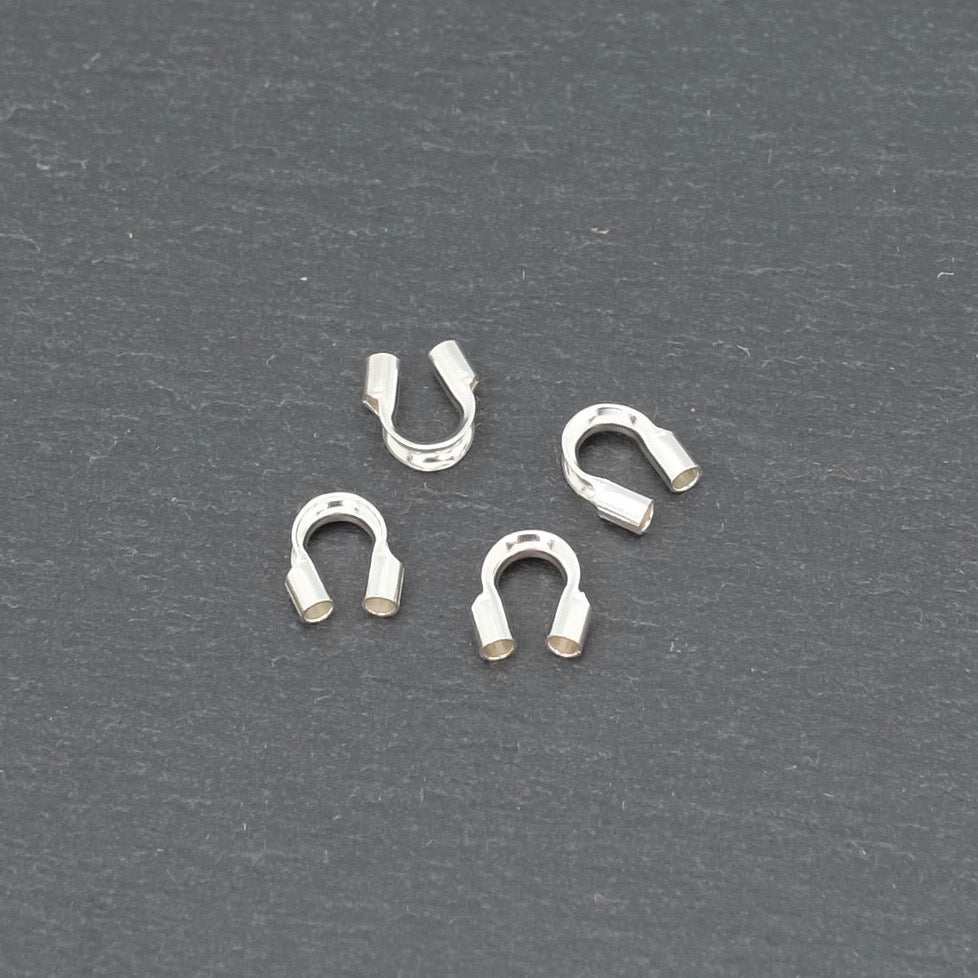
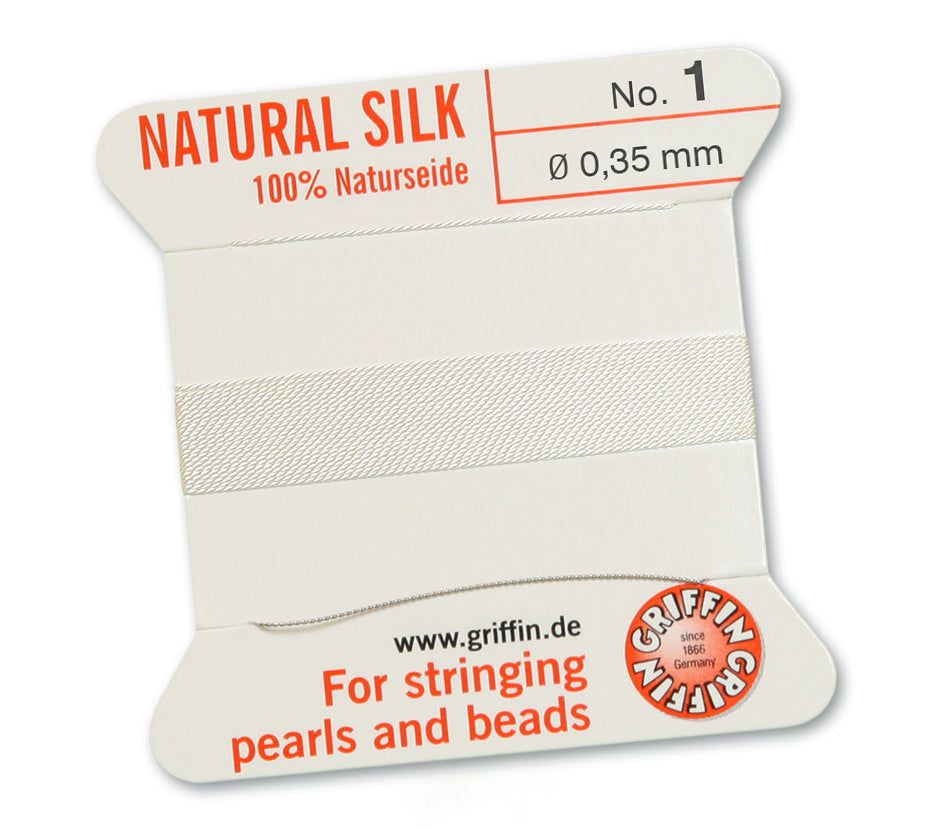
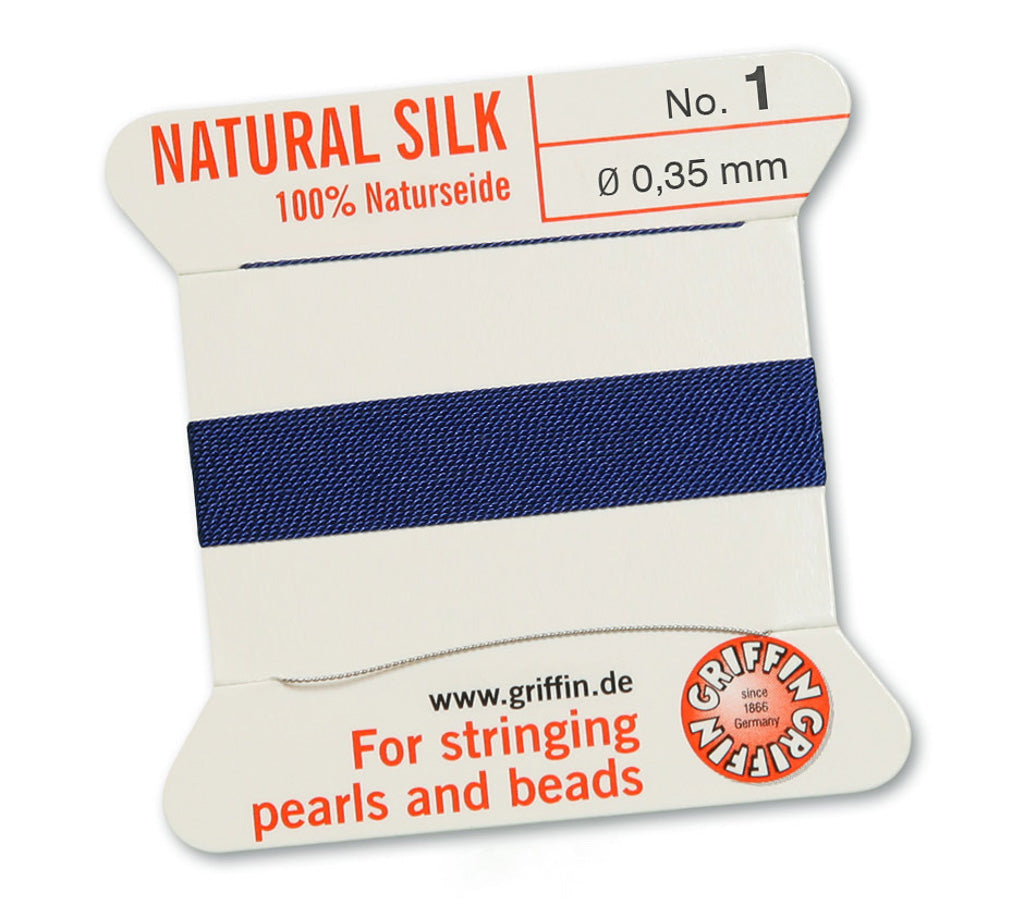
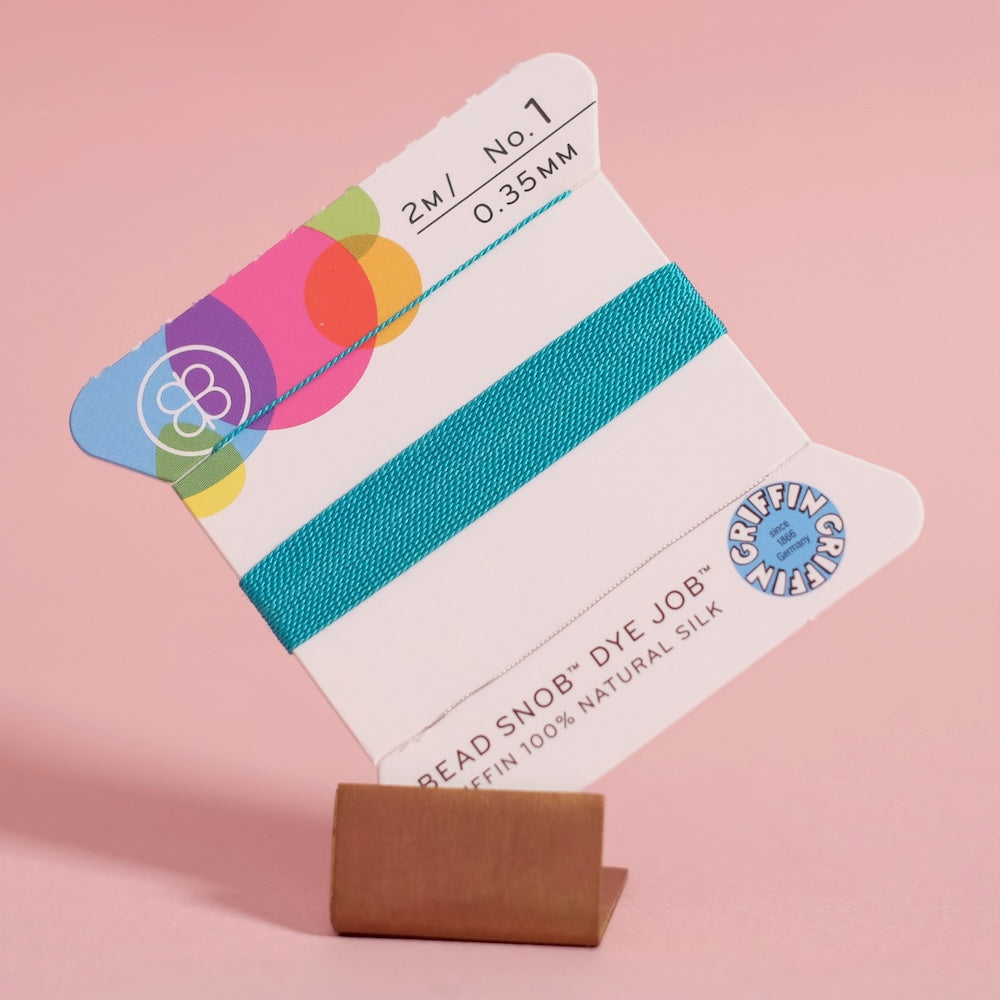
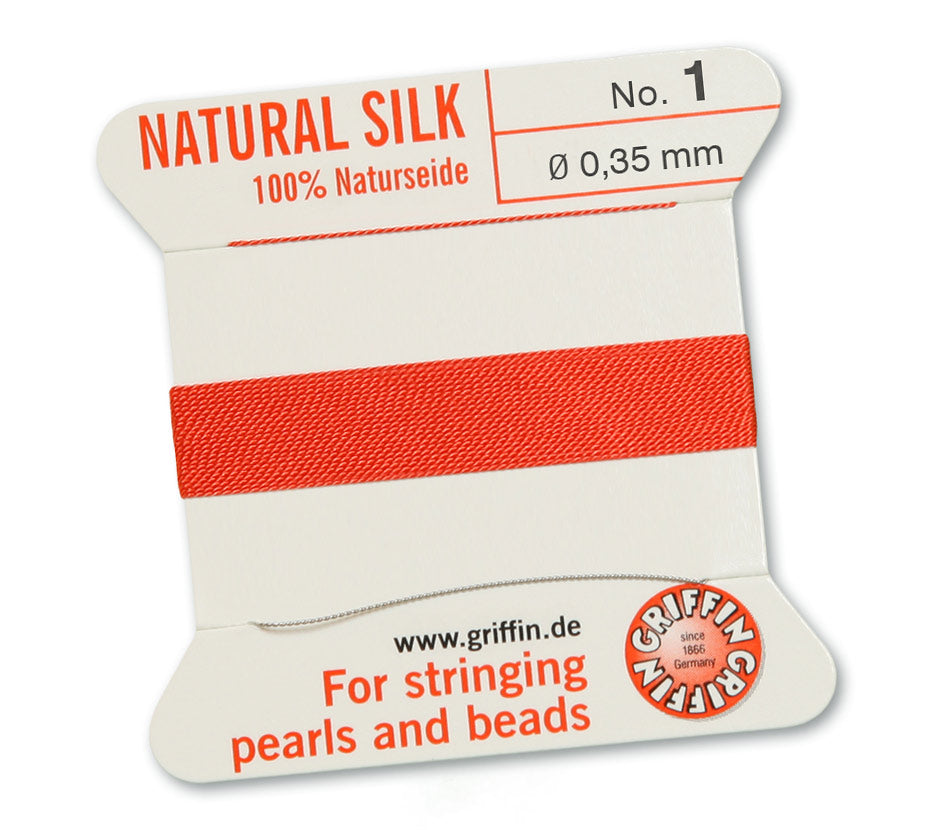
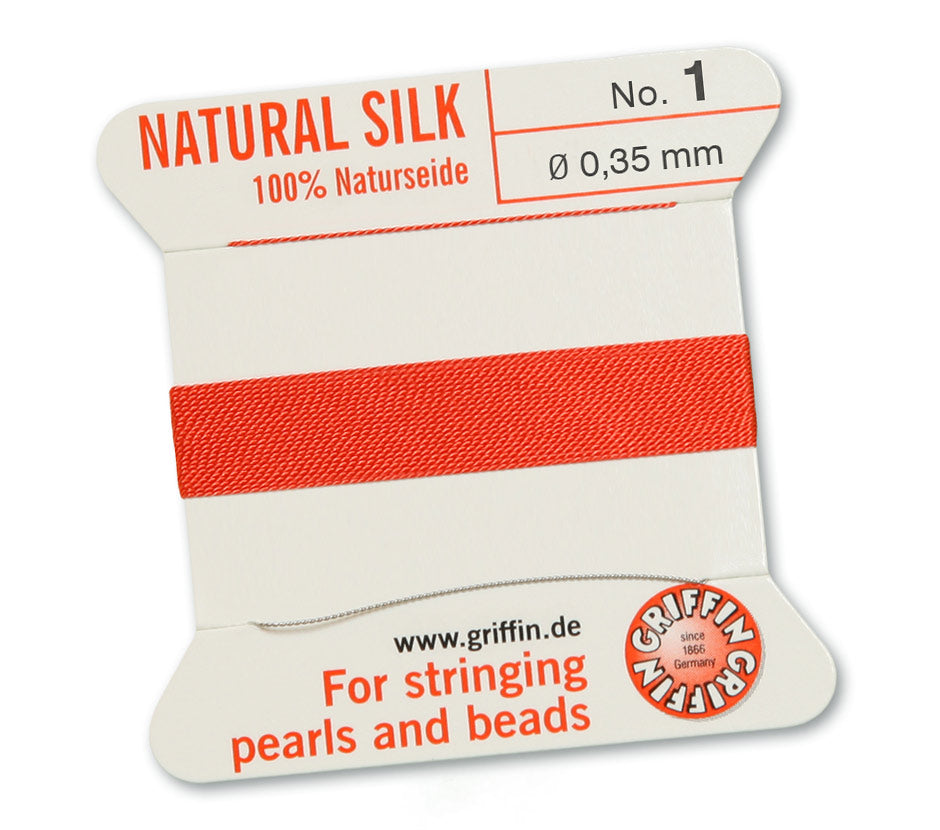
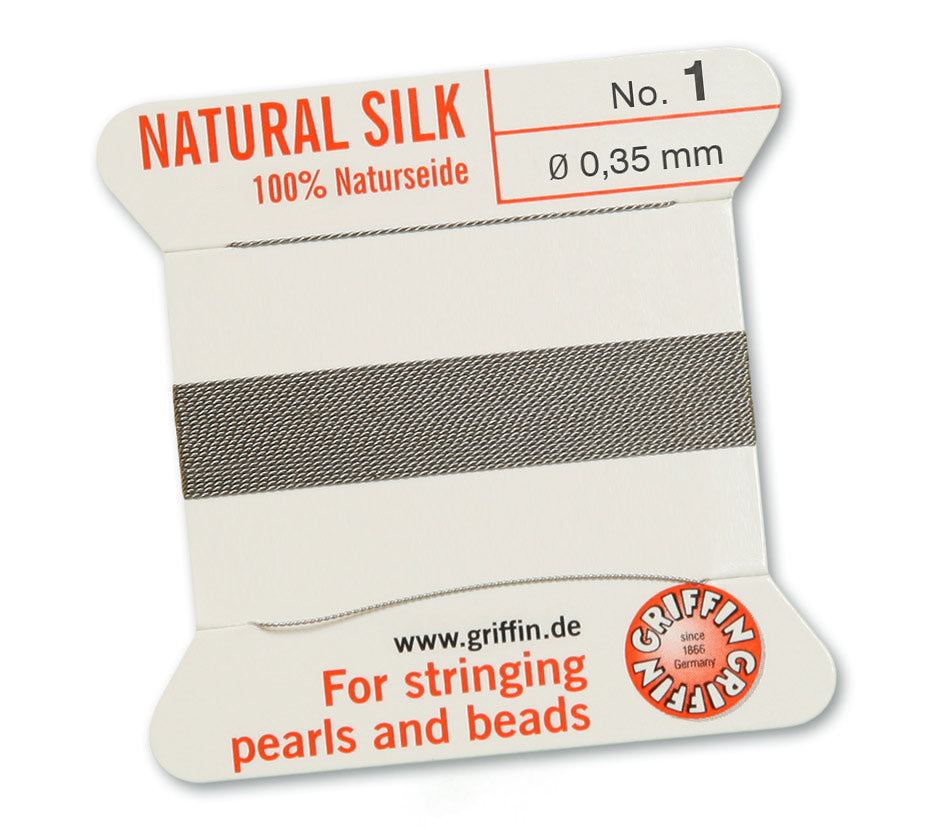
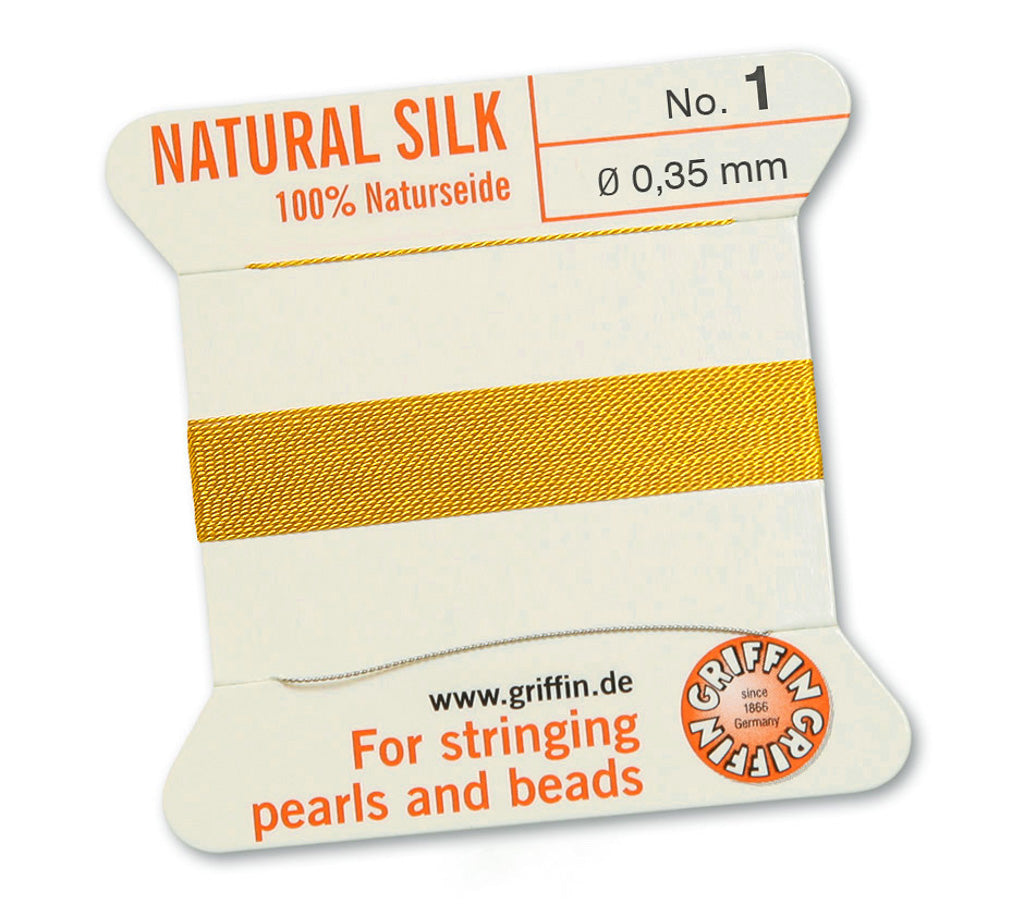
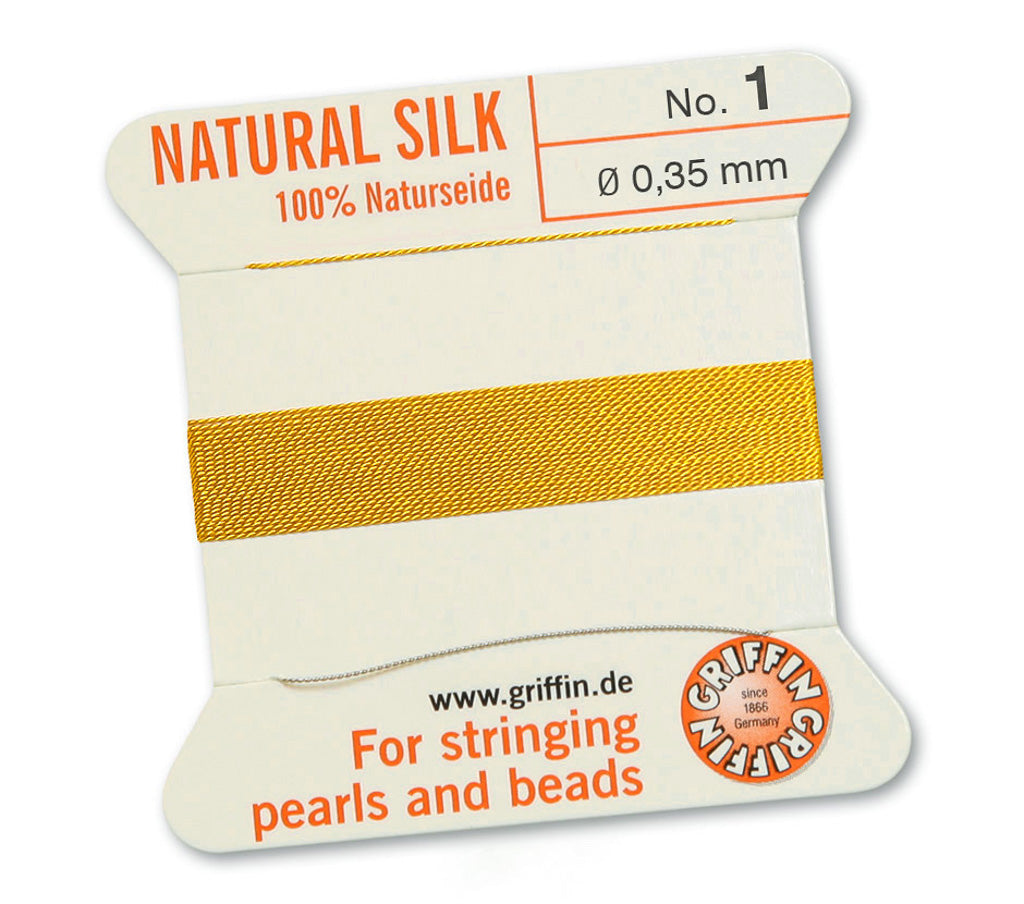
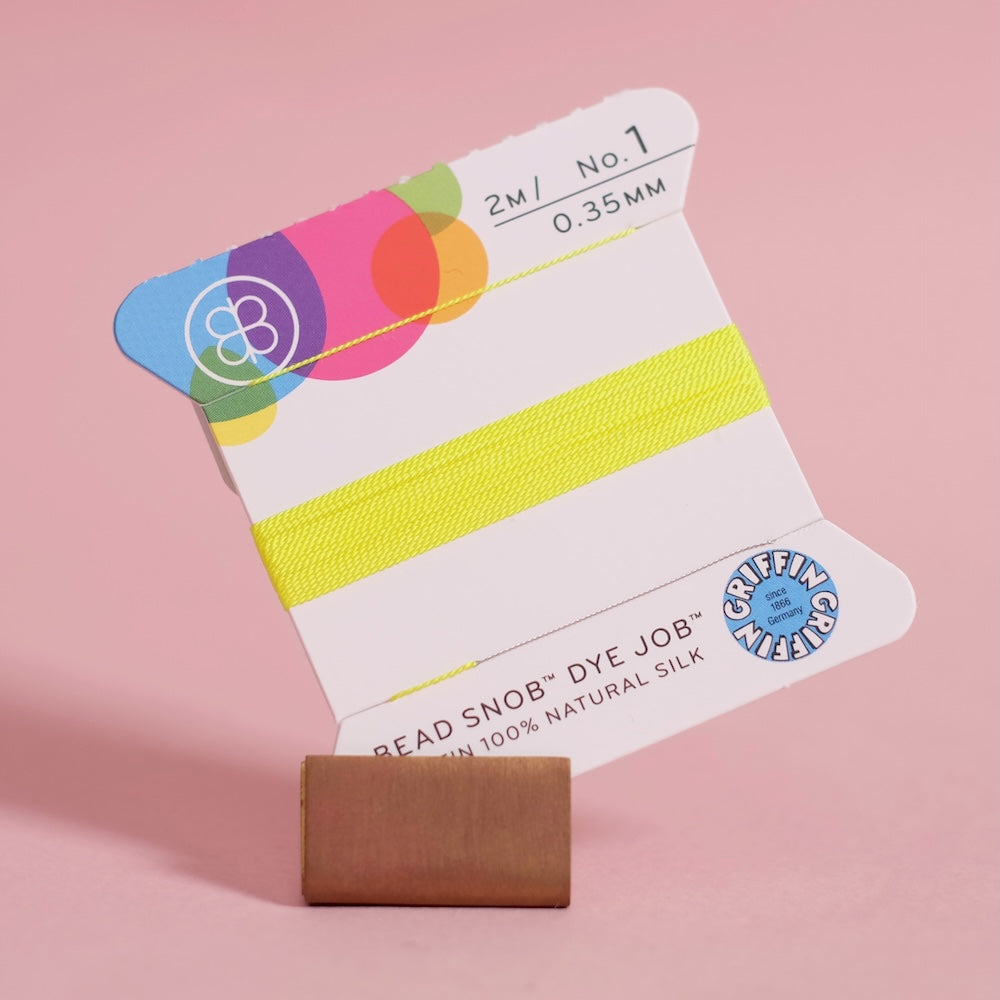
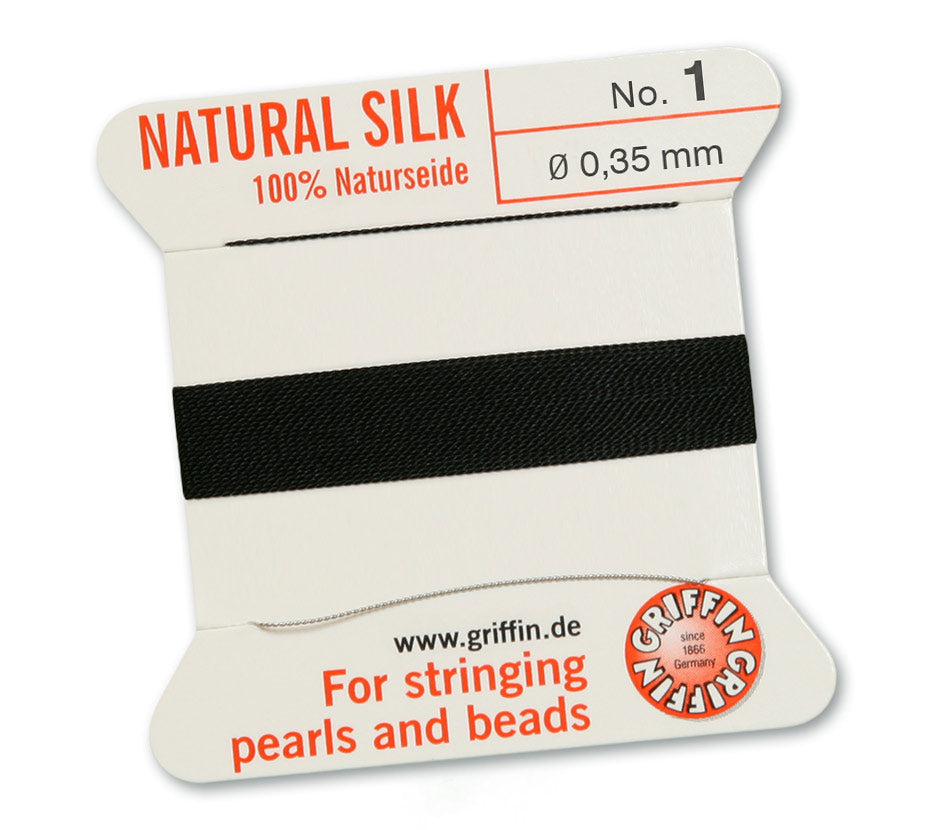
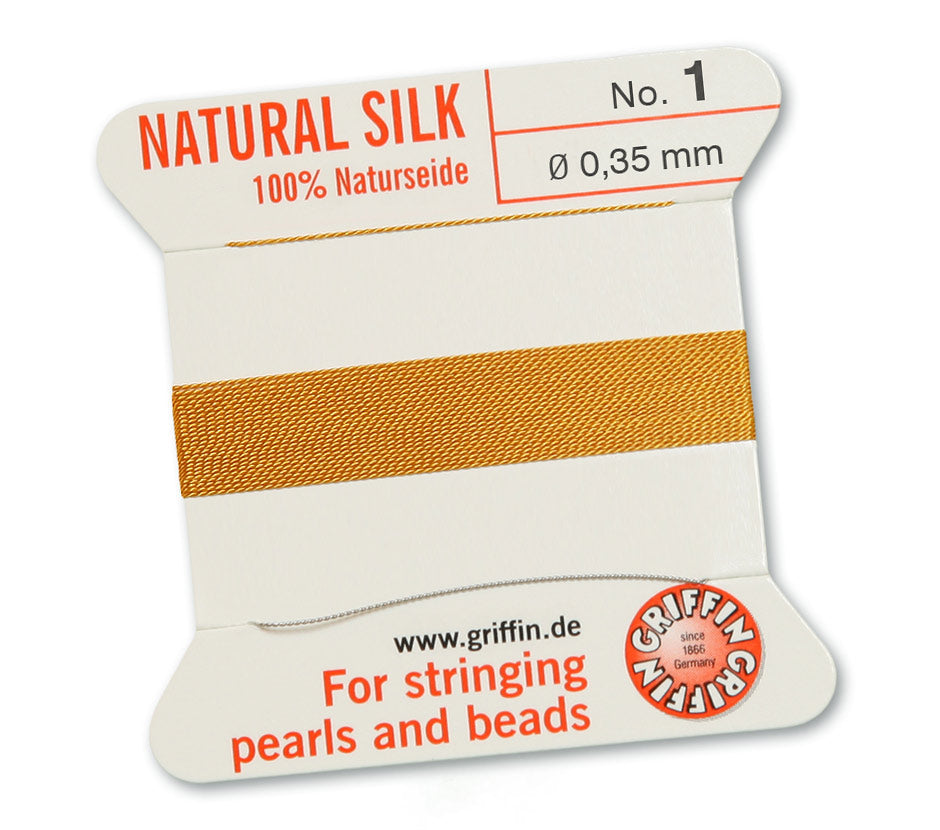
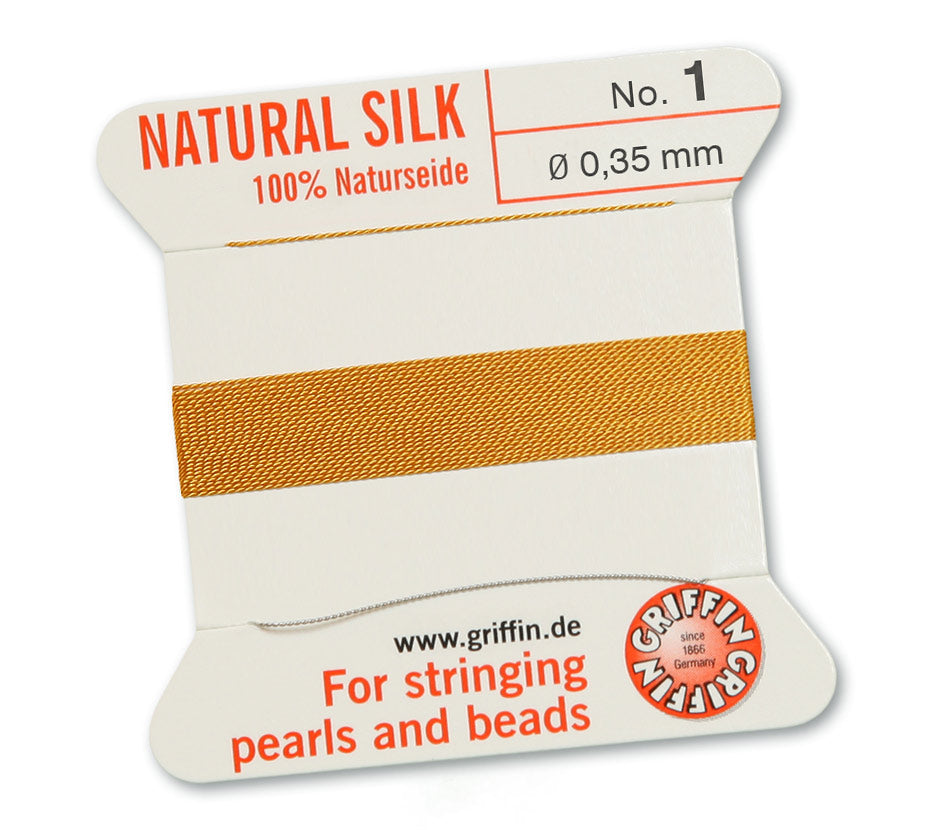
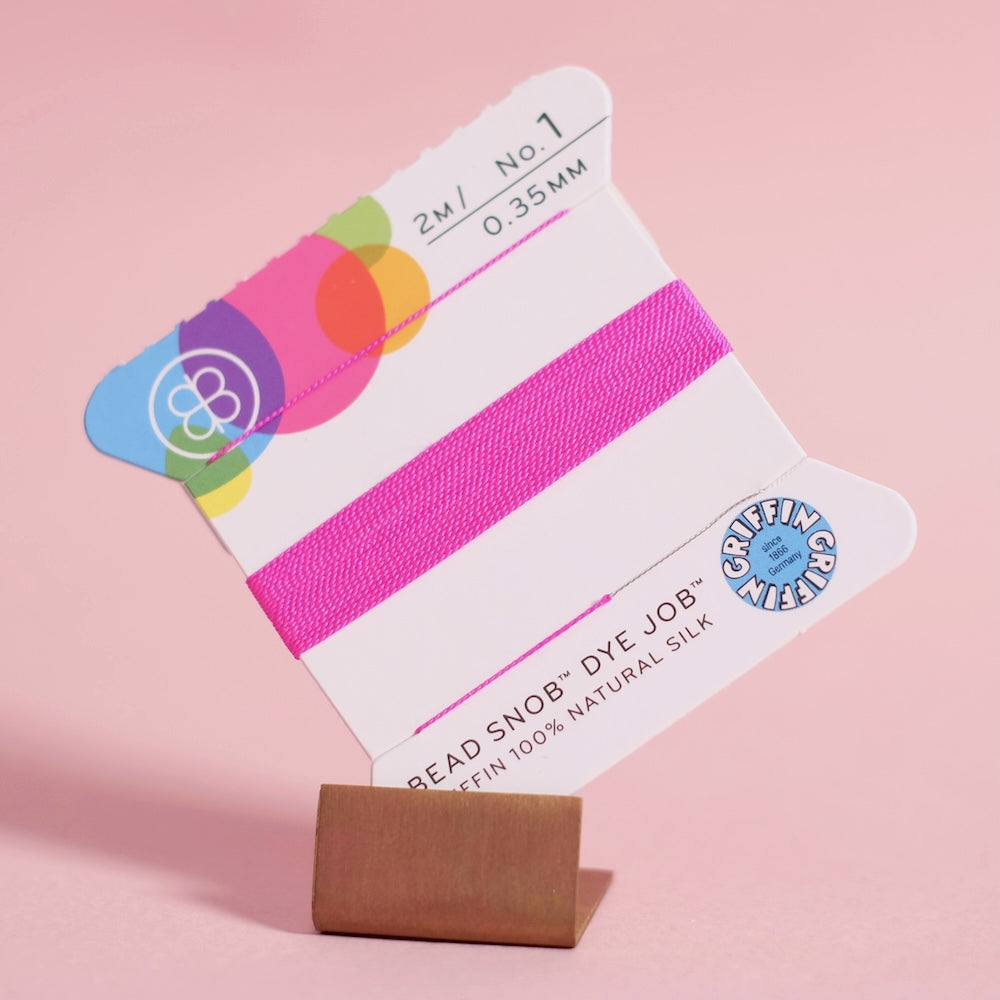
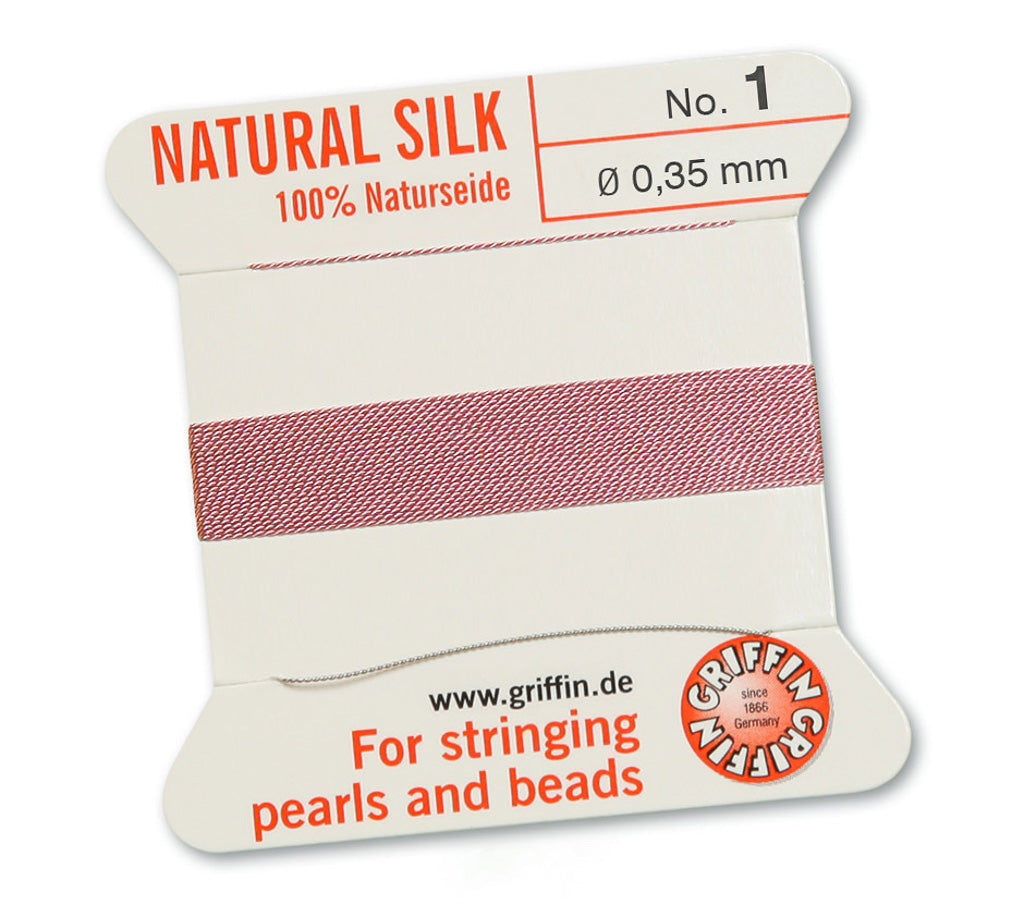
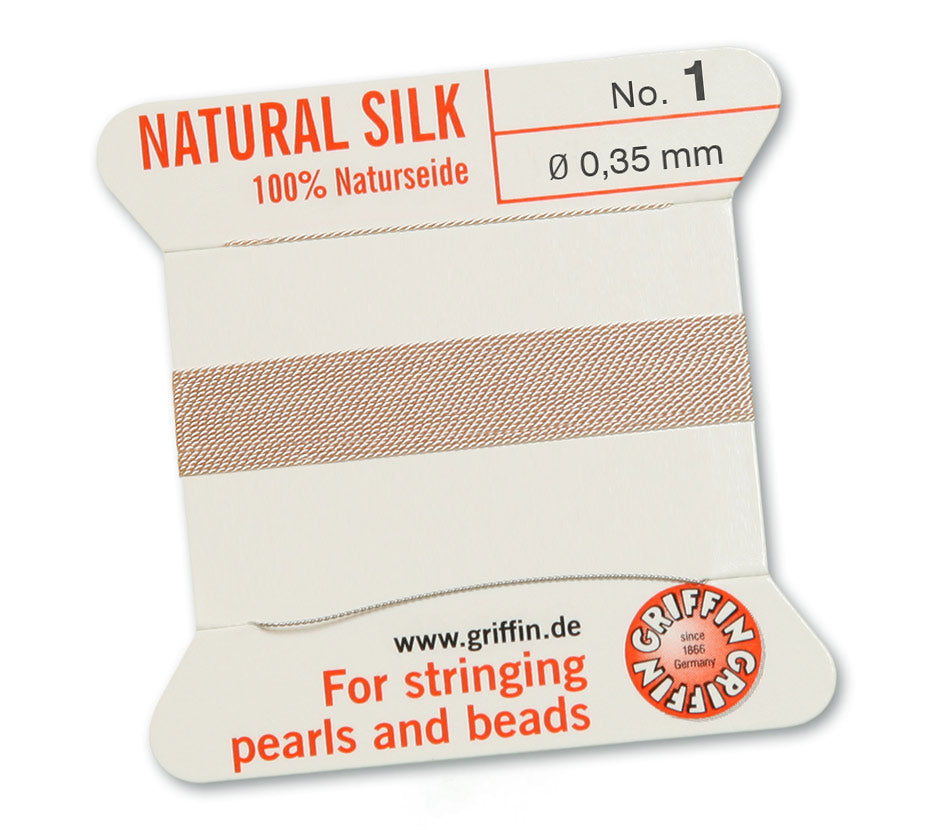
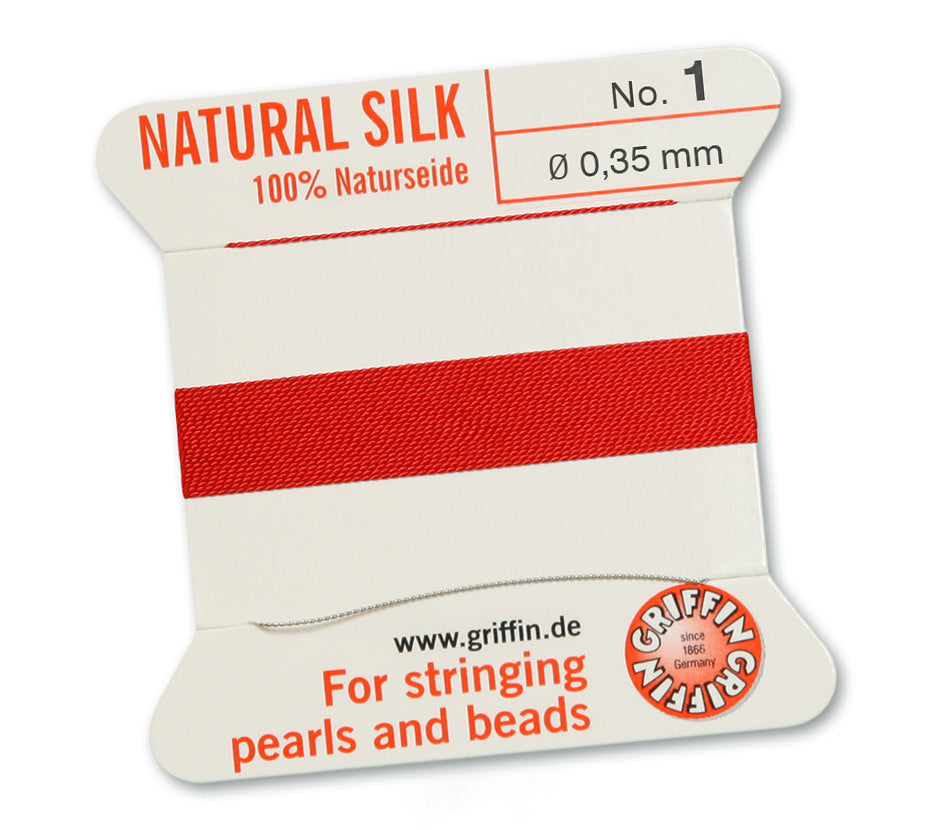
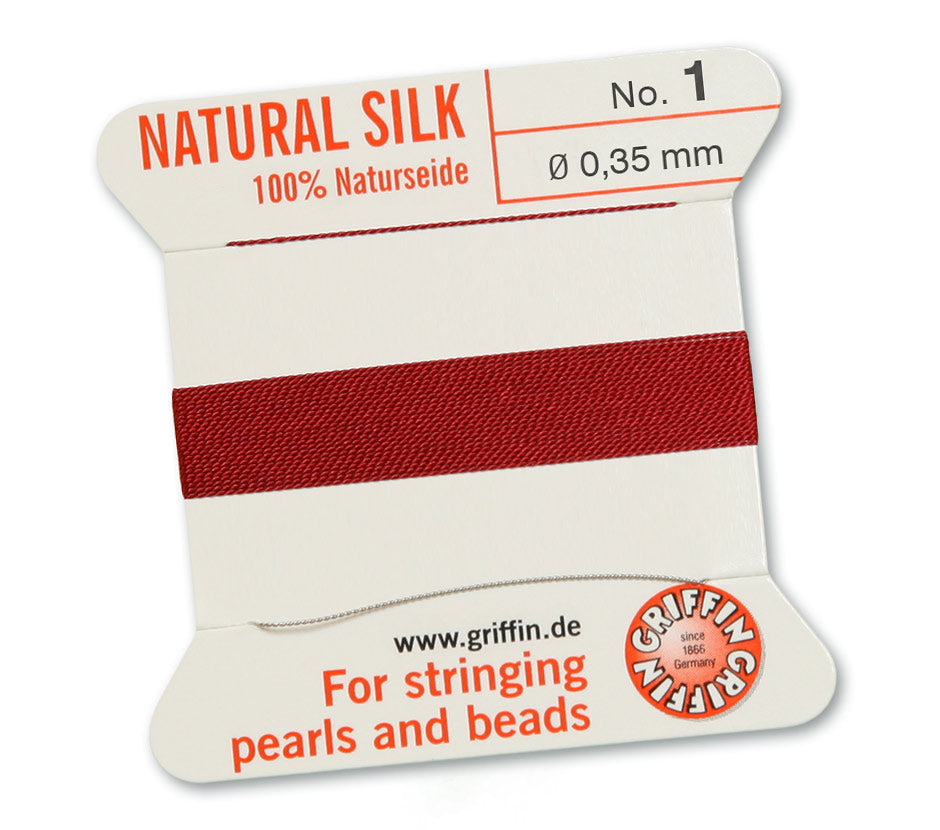
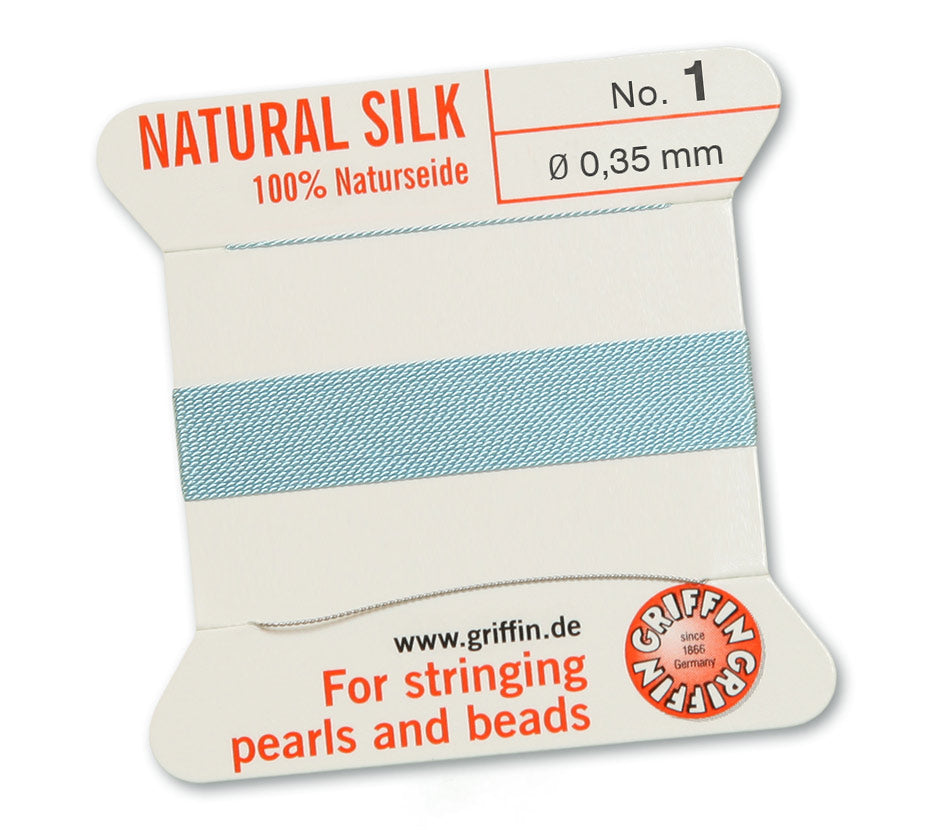
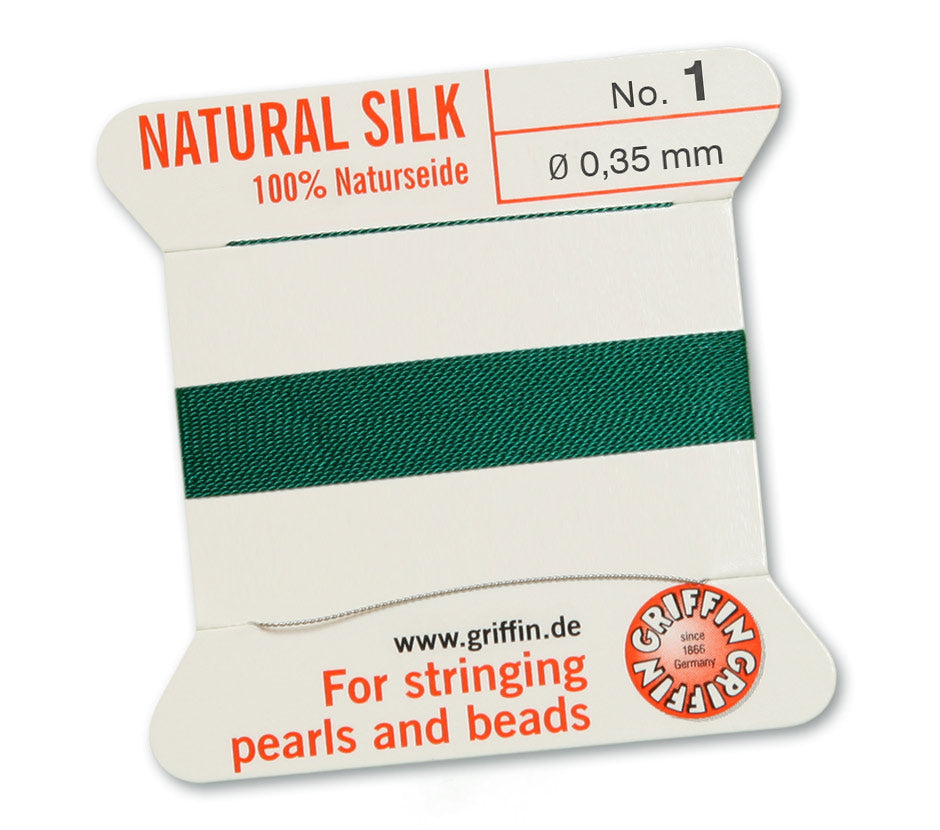
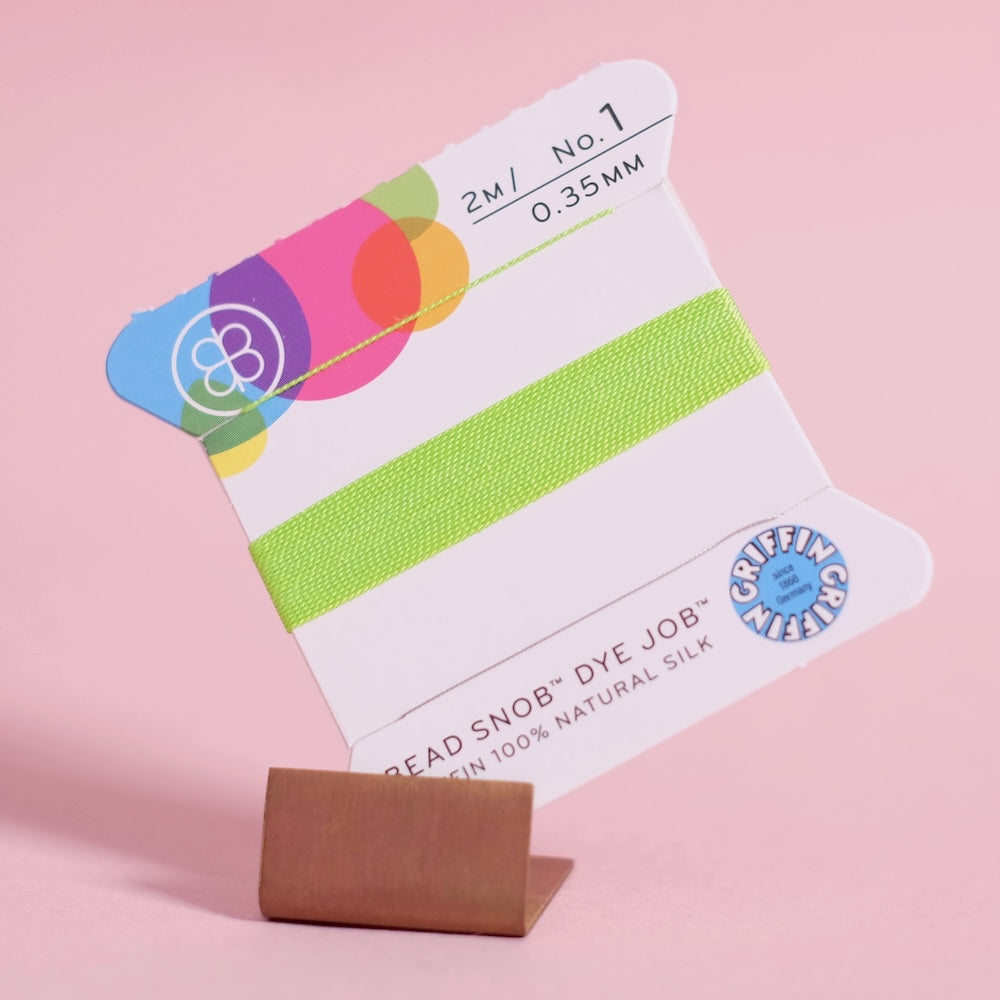
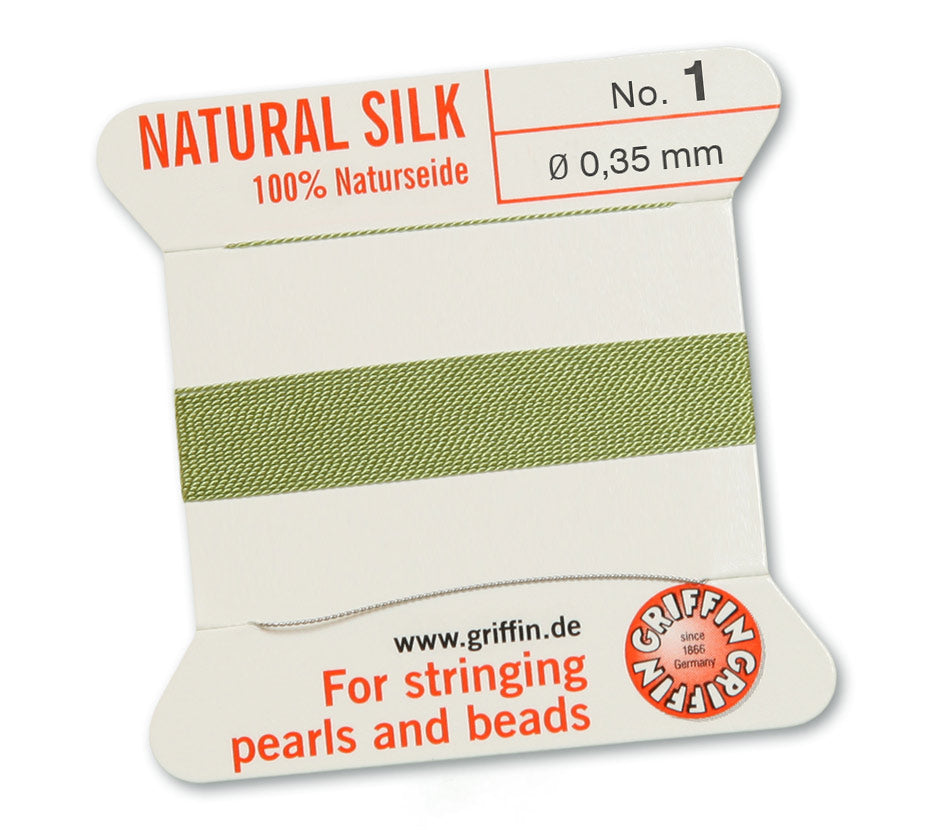
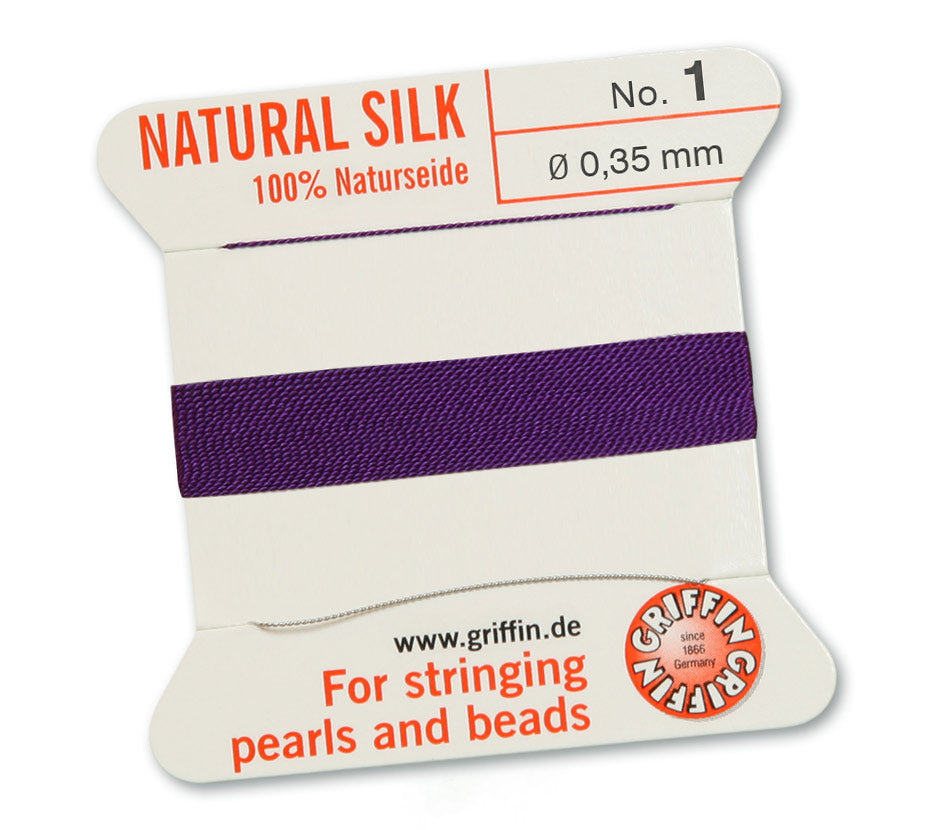
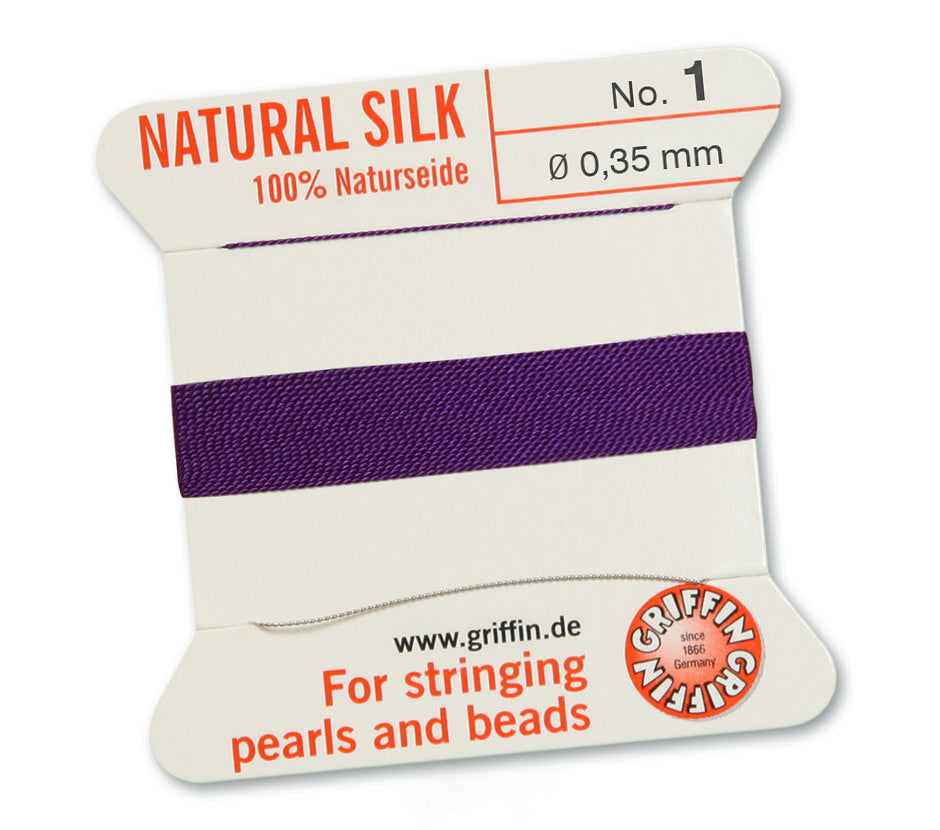
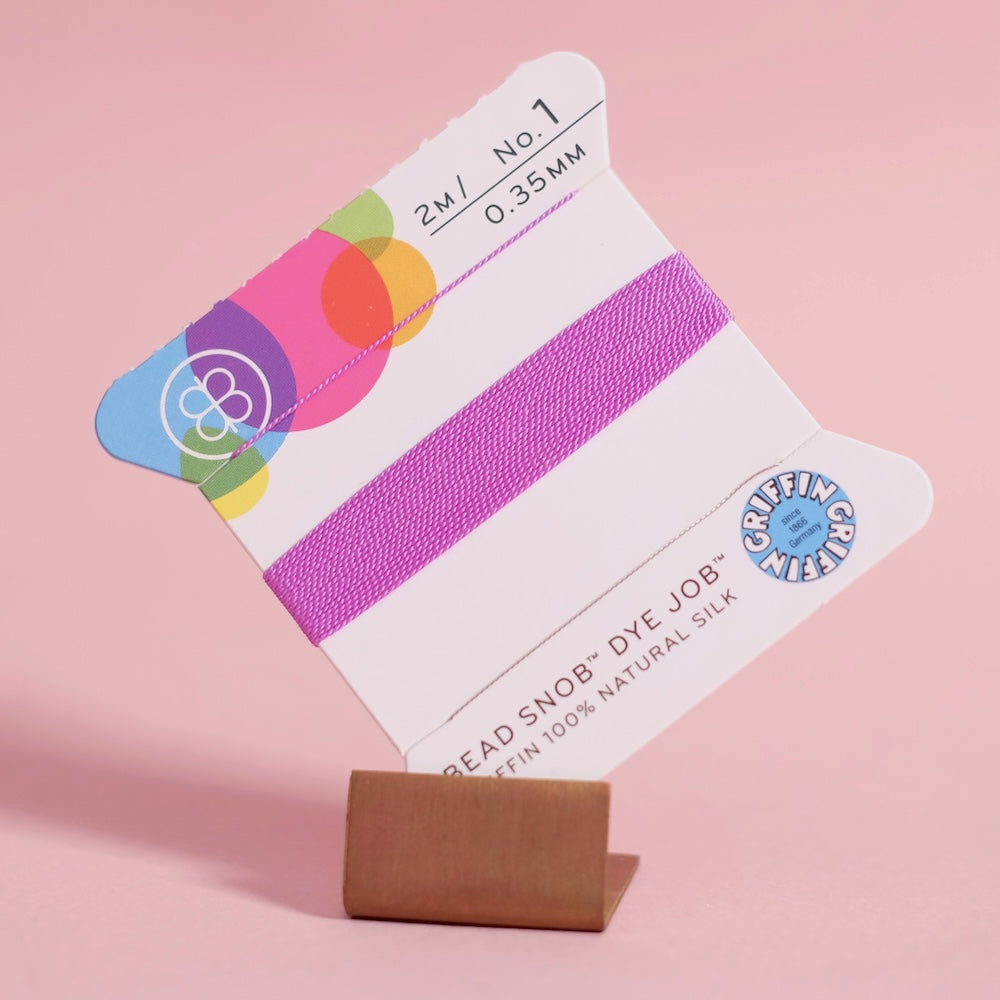
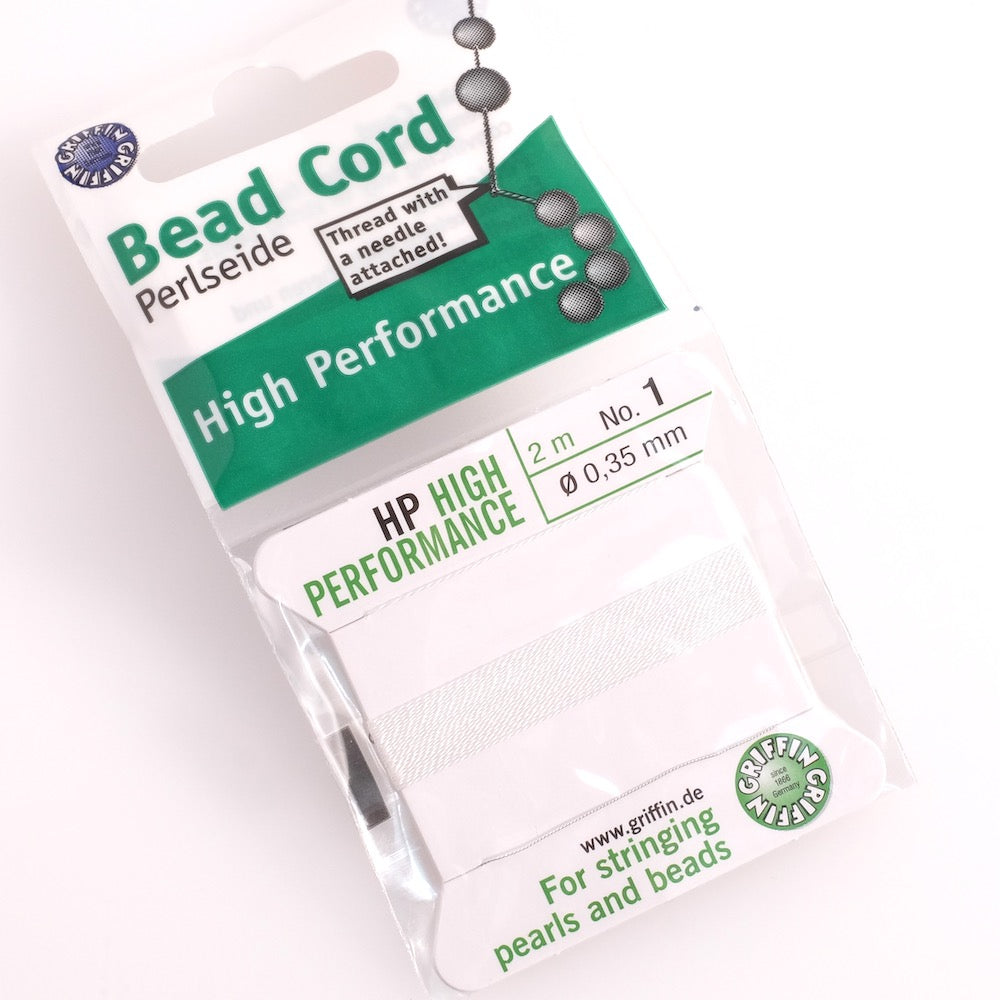
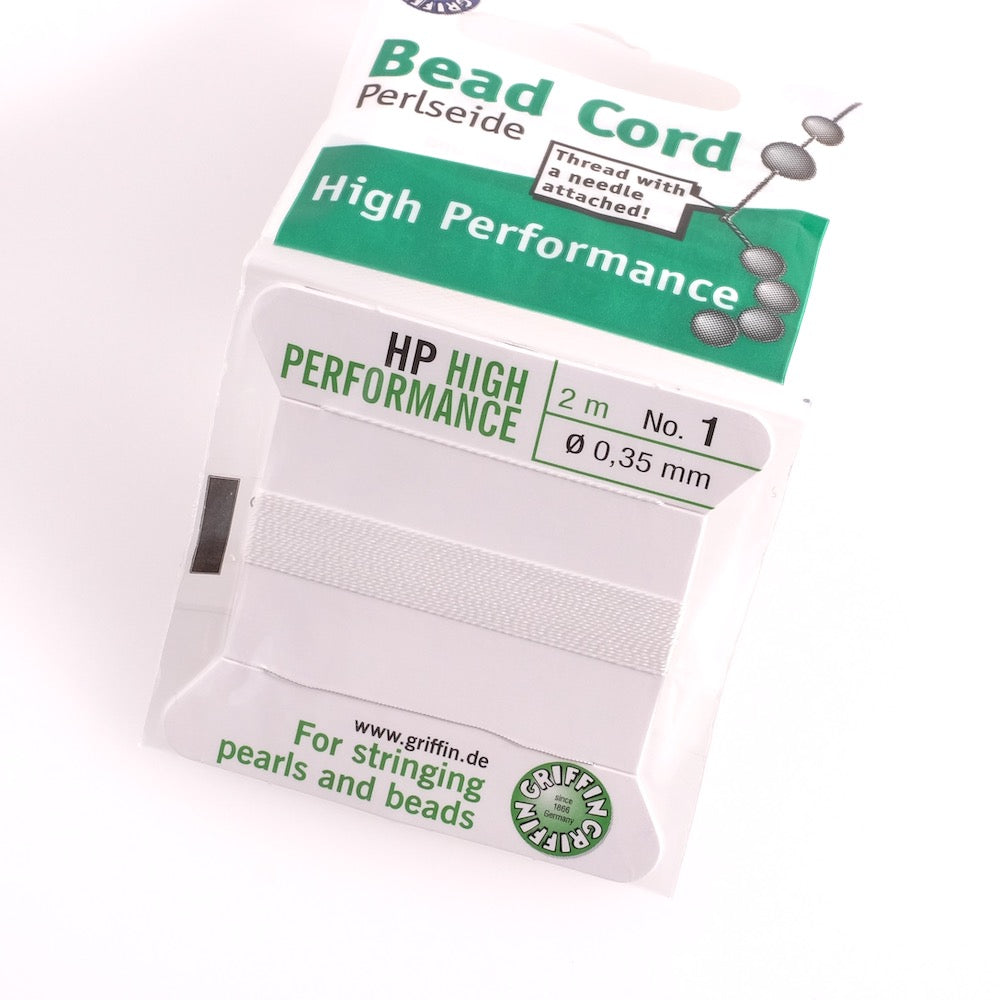
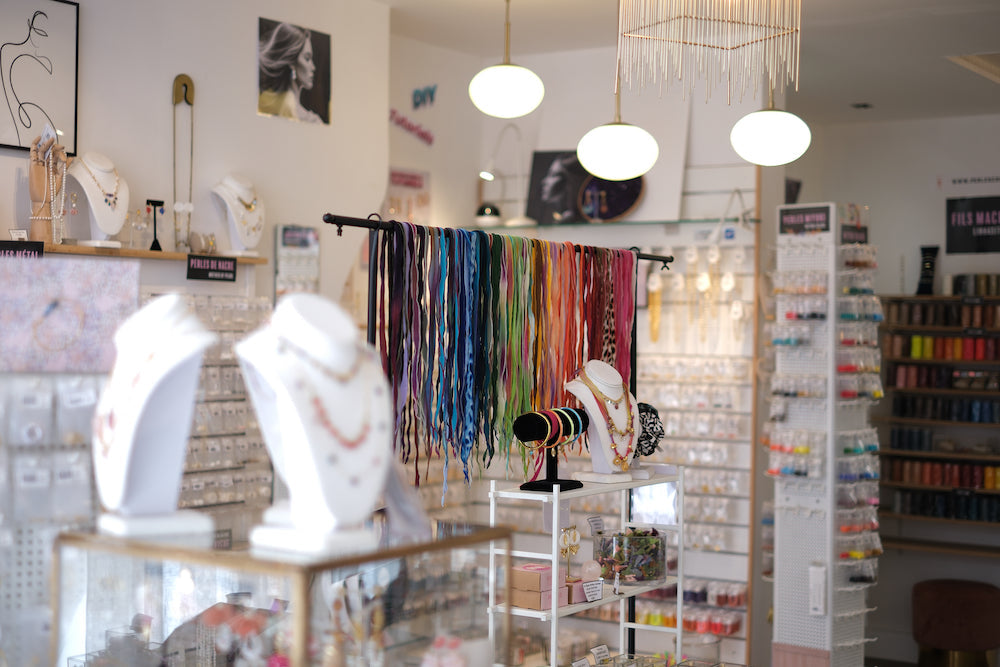
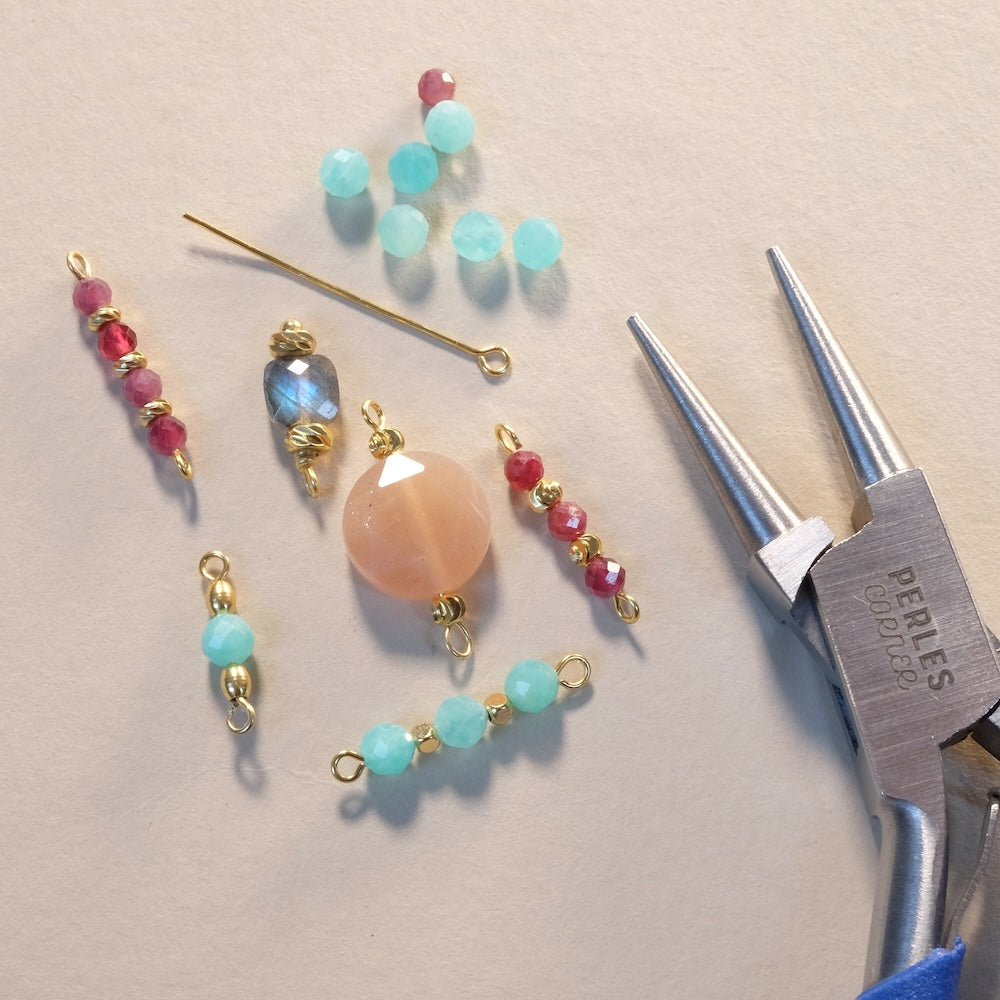
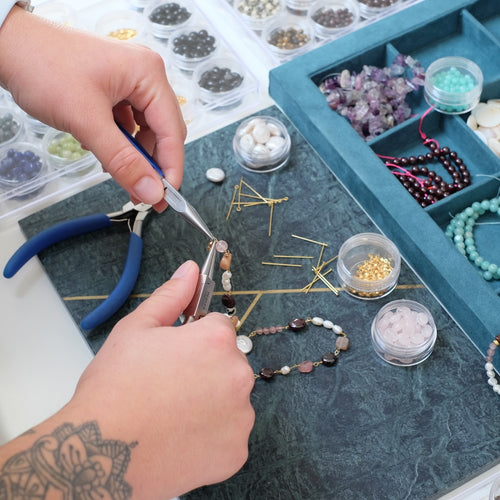
The technique you will discover here is the one Kevin uses at the Perles Corner workshop. An accessible version of the professional method, with materials available in the store: silk thread with integrated needle, thread protector, and flat pliers. The silk thread gives the necklace the flexibility and natural drape that high jewelry has always sought.
In this video, Kevin shows you the complete process — from stringing the beads to attaching the clasp, including every knot. You will learn how to measure your necklace, choose the right thread diameter, and guide the knot against the bead.
Craftsmanship. Perles Corner materials. Your hands.

Thread tension is key. The knot must "embrace" the bead — neither too tight (rigid necklace that loses its drape) nor too loose (beads that move). If needed, use a pointed tool to guide each knot against the bead before tightening. And always remember to double your knots: a single knot may come undone.
Always check the thread thickness with the bead hole size, remembering that the thread must pass twice through each bead.
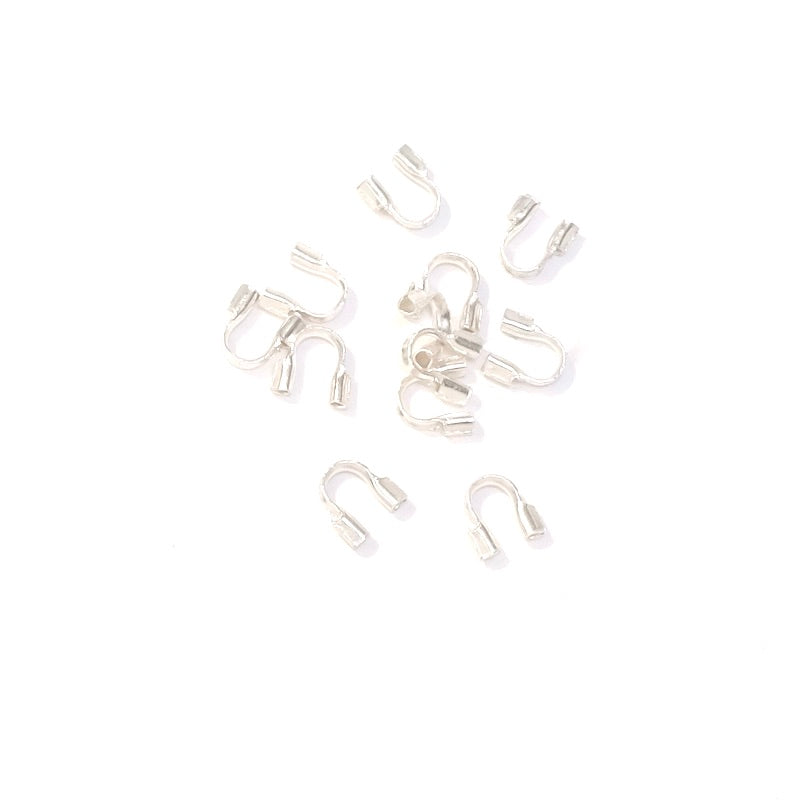
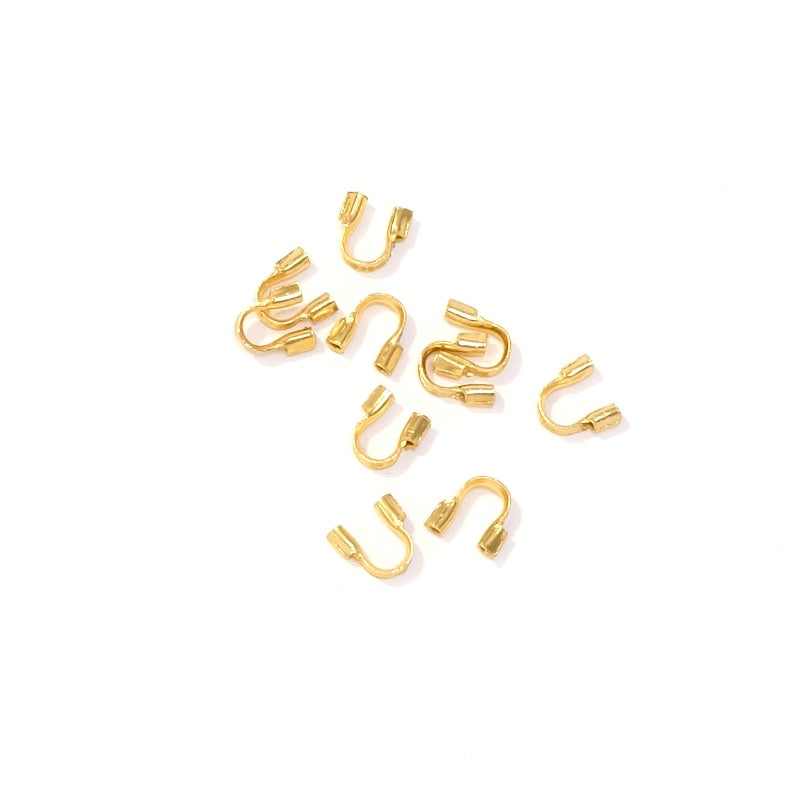
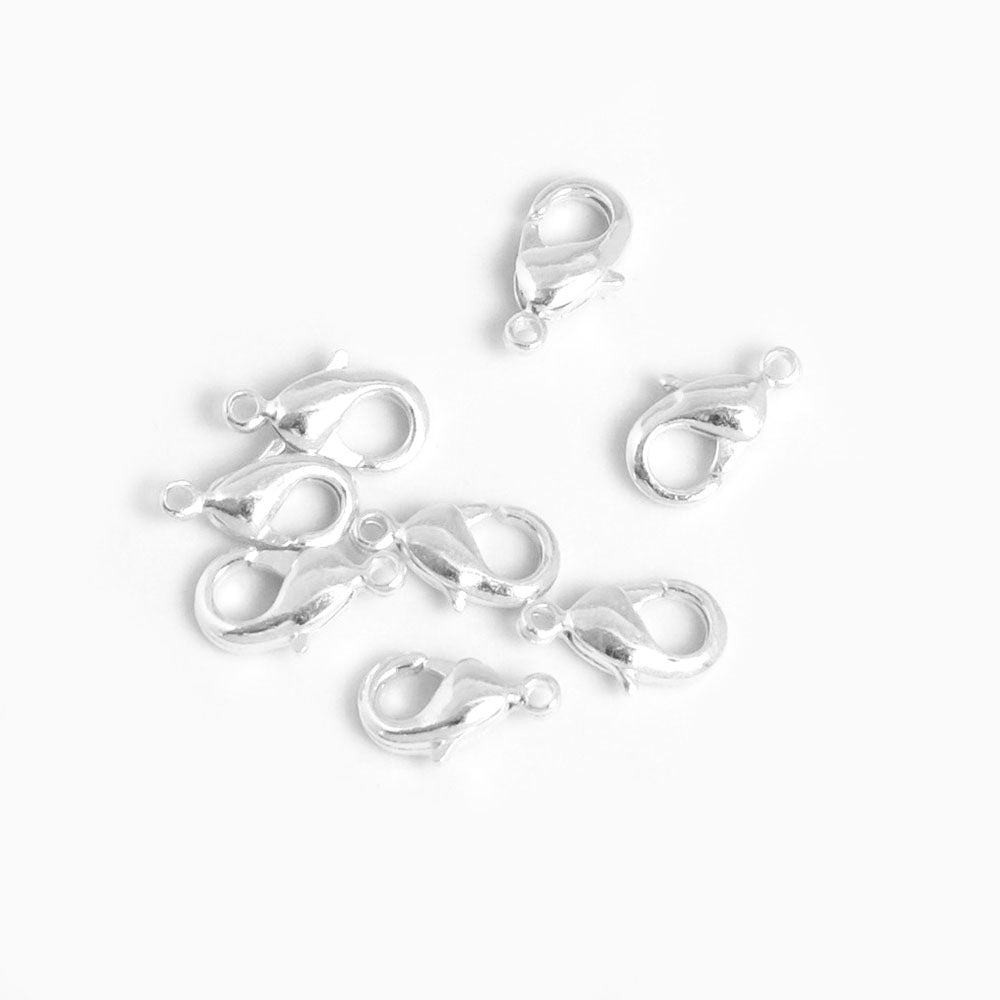
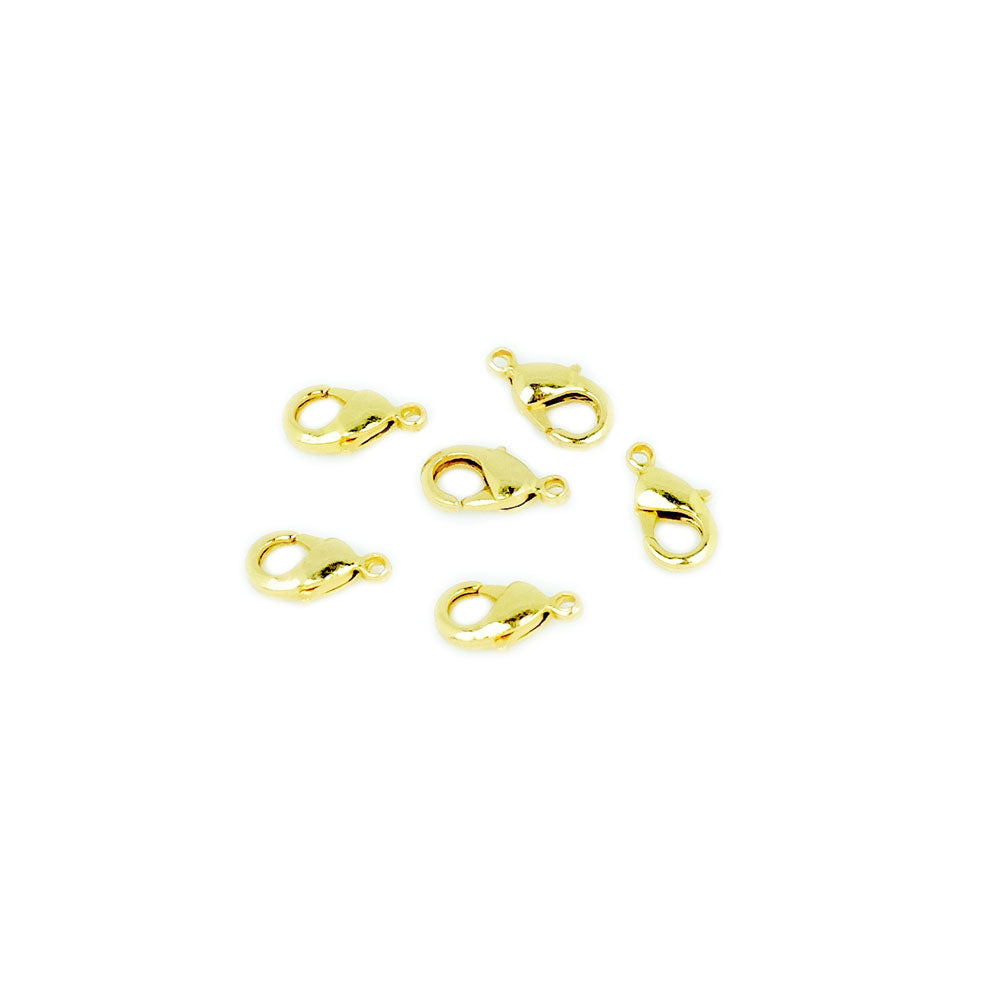
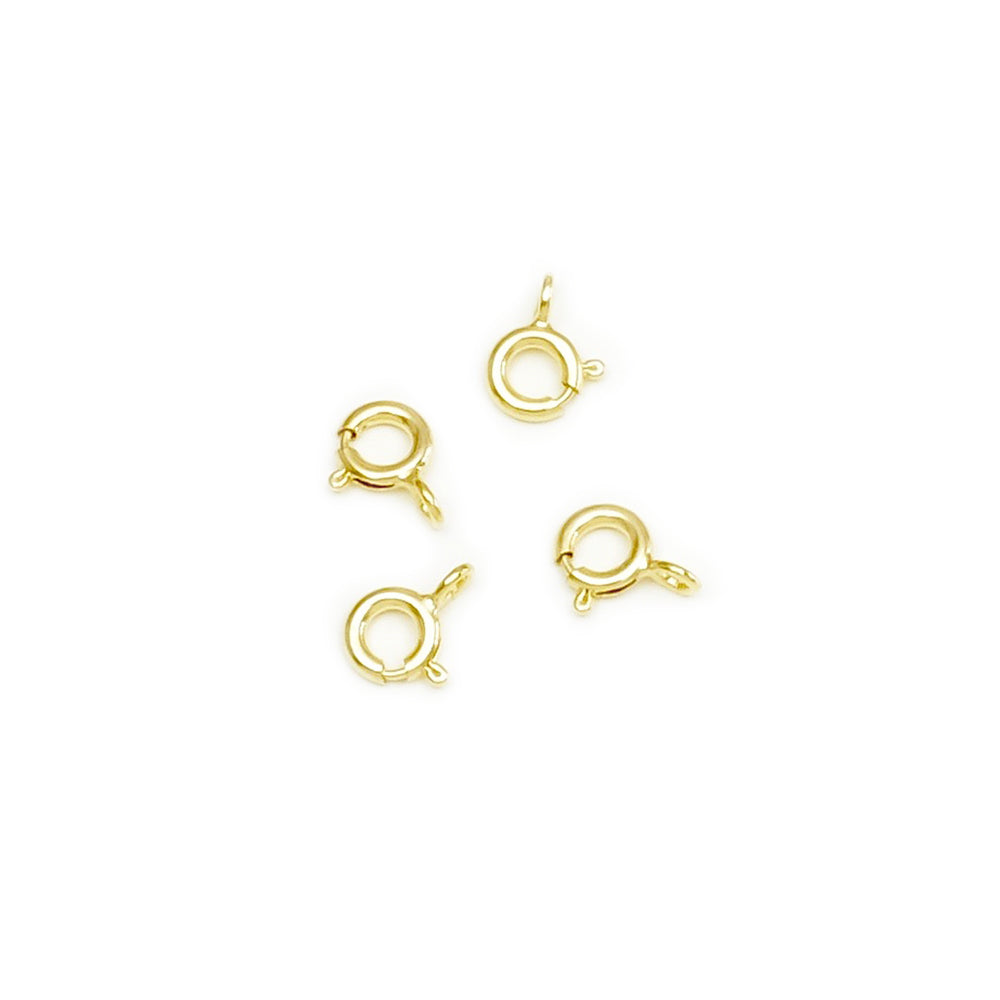
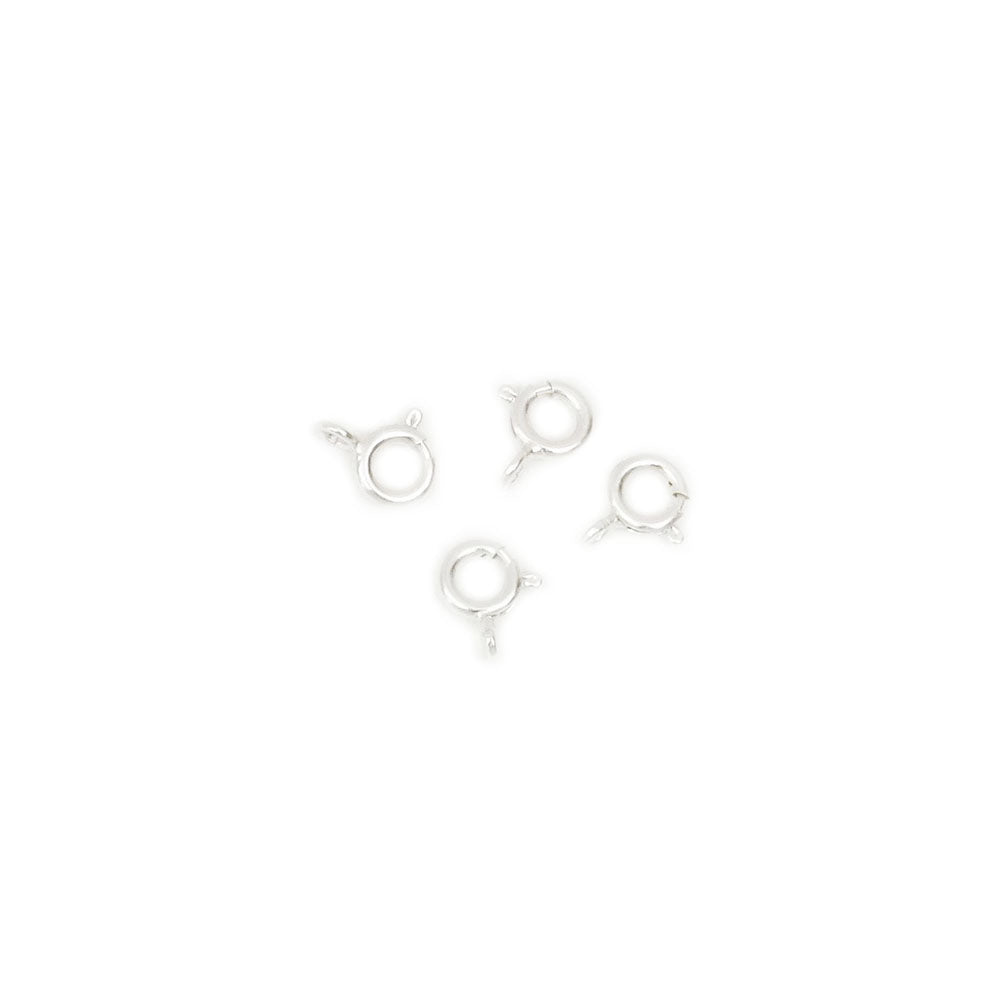
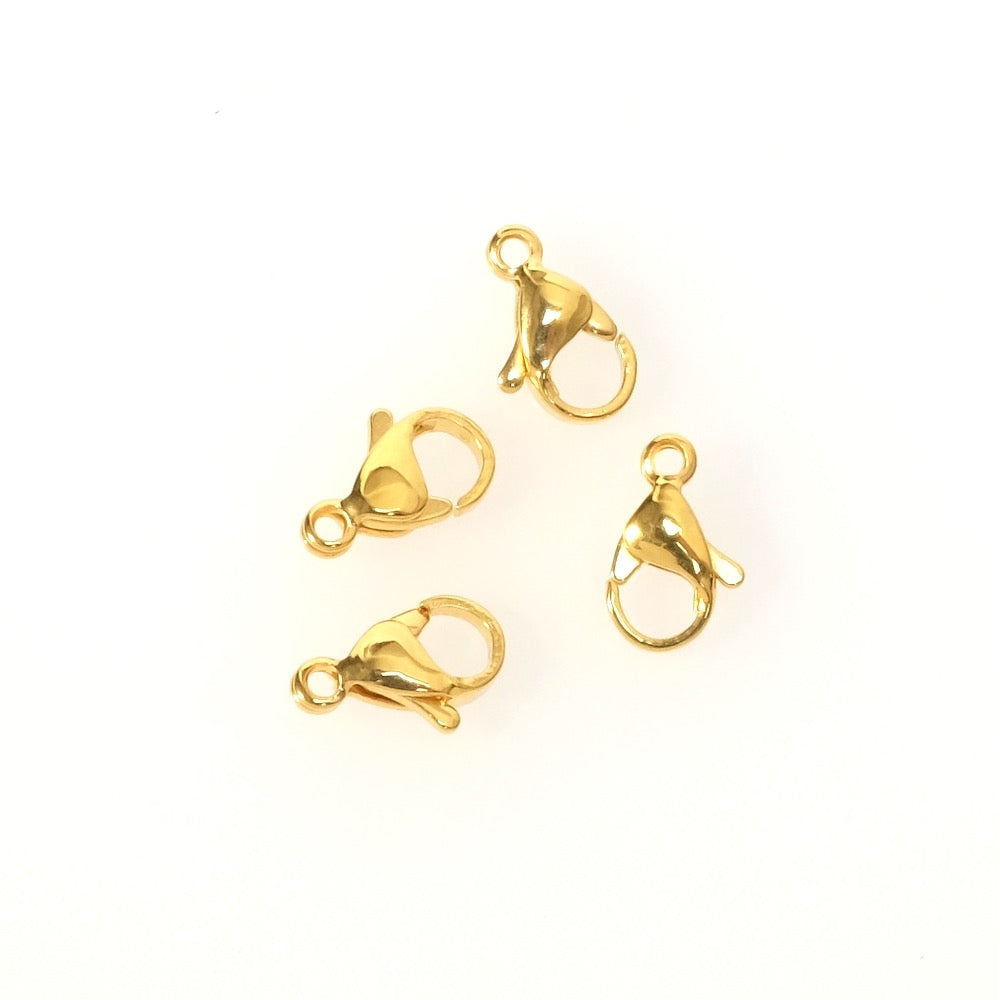
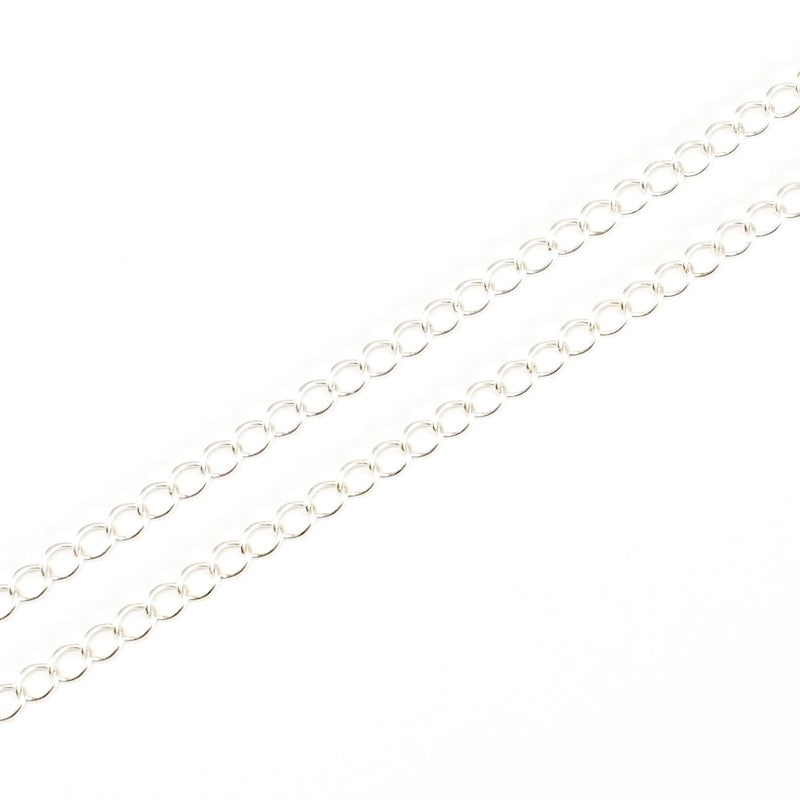
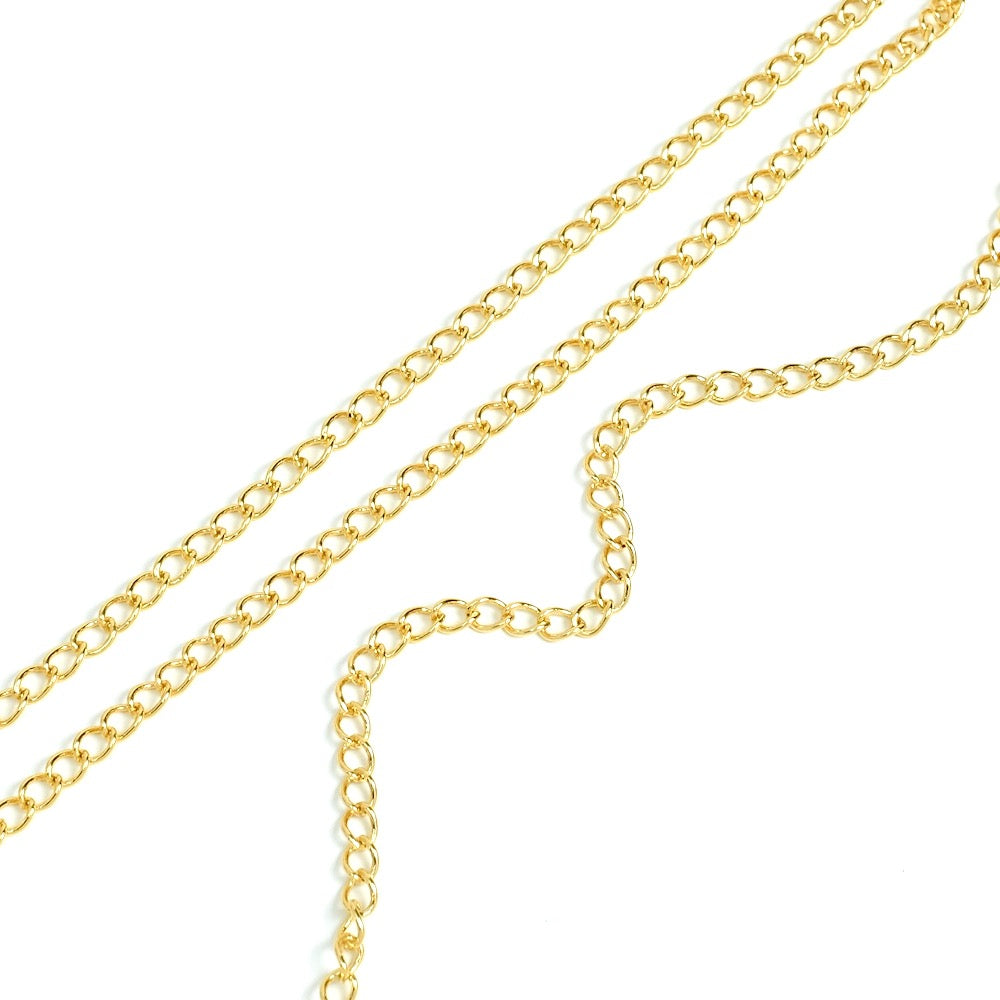
To make this necklace, you will need silk thread, beads, and thread protectors. Find all the materials in our shop.

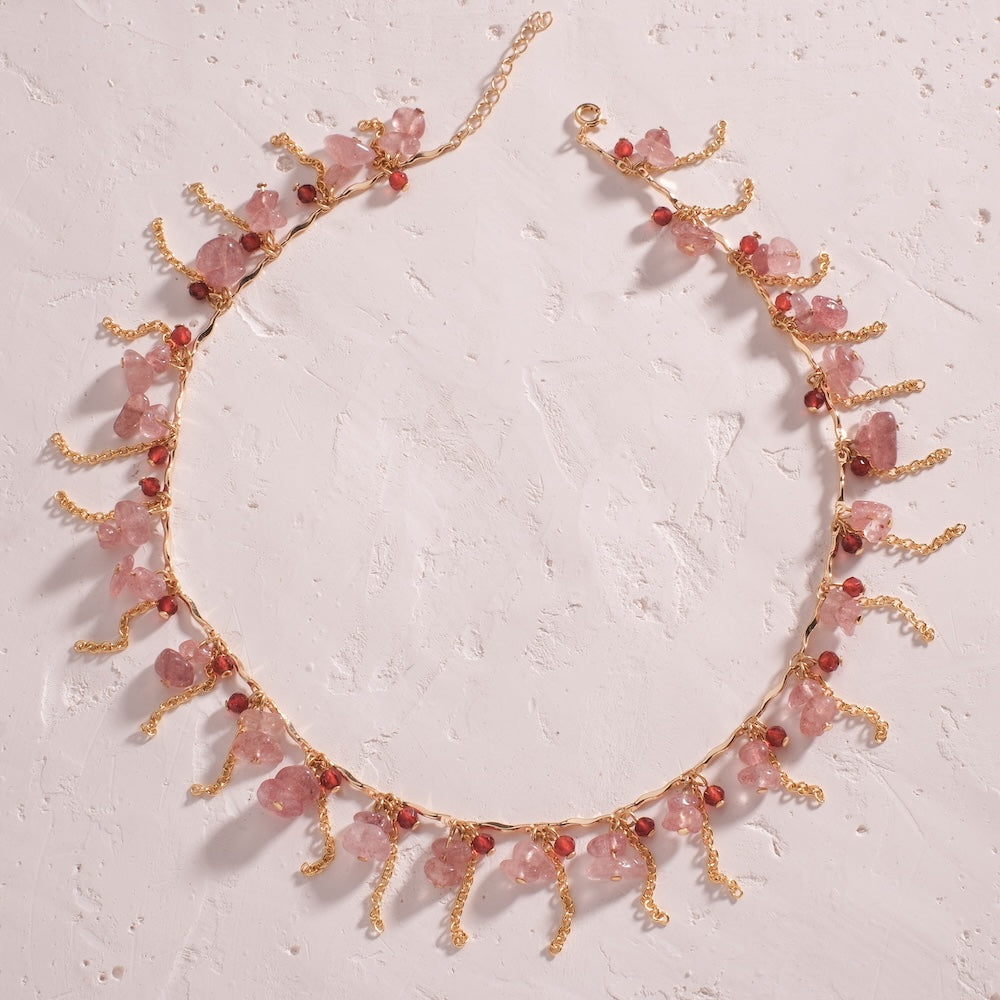
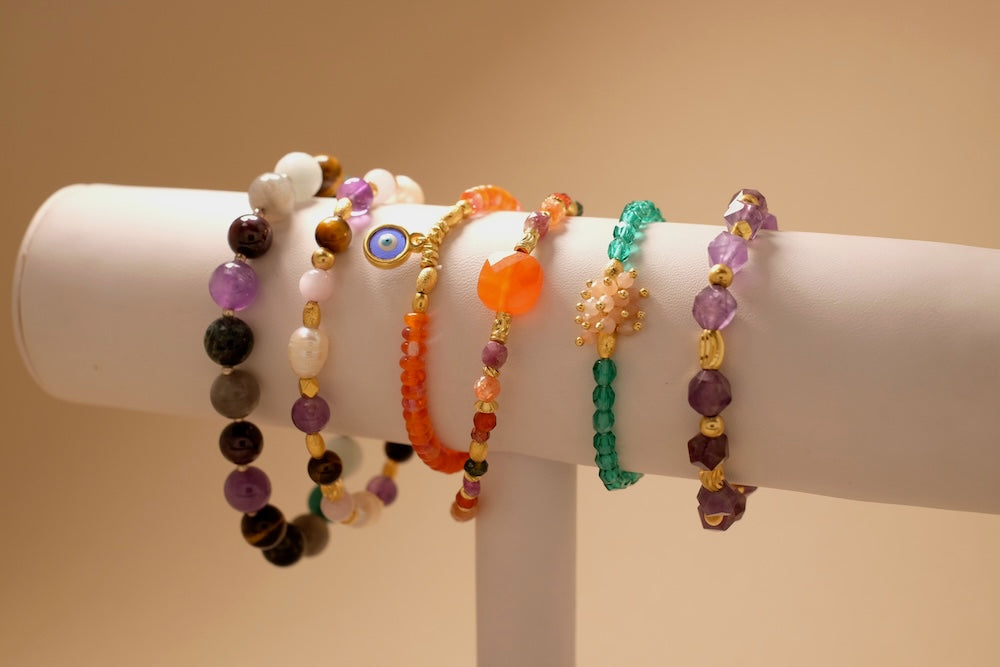
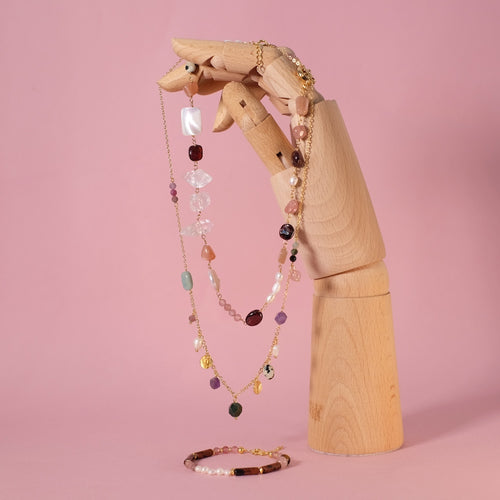
A necklace with knots between each bead, flexible, sturdy, with a jewelry-like drape.
To be reserved alone or with friends!

Inspirations, tutorials, and new arrivals: receive the best of handmade in your inbox.